



What's Happening?
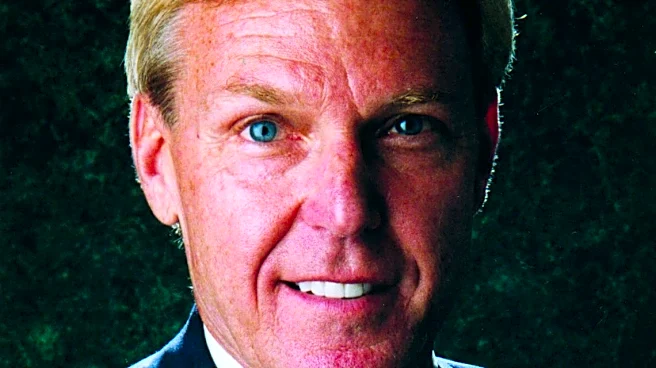
Leslie Cromeans, a volunteer at UT MD Anderson’s Art Space for Patients and Caregivers, is using her artistic skills to connect with patients while pursuing a career in medical dosimetry. Cromeans began volunteering in October 2023, initially talking
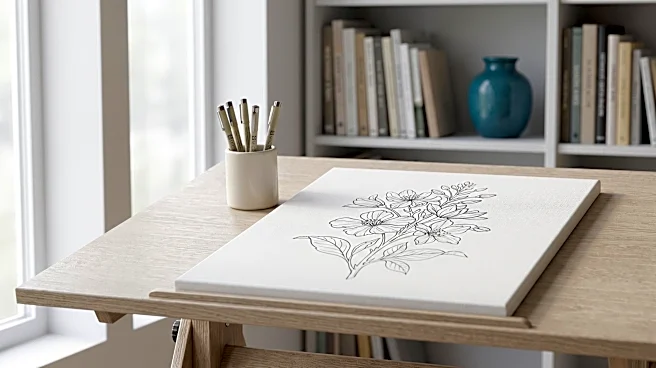
with patients, but later started drawing on canvases for patients to color, a popular activity in the Art Space. Her motivation stems from her experience helping her mother, who was diagnosed with cancer in 2023. Cromeans is currently enrolled in the Medical Dosimetry program through UT MD Anderson’s School of Health Professions, where she is learning to use computer software to create customized radiation treatment plans for cancer patients, ensuring precise radiation delivery while protecting healthy tissue. She believes her volunteer experience, particularly her genuine care for others, will be impactful in her future career, as she will view each scan not just as data but as representing a loved one.
Why It's Important?
Cromeans' story highlights the significant role of compassionate care and personal connection in the medical field, particularly in oncology. Her journey from a volunteer providing emotional support through art to a future medical dosimetrist demonstrates how empathy can drive professional aspirations in healthcare. For patients undergoing cancer treatment, the Art Space offers a vital outlet for emotional expression and distraction, contributing to their overall well-being. This initiative underscores the growing recognition of holistic patient care, where psychological and emotional support are integrated with medical treatment. Furthermore, Cromeans' perspective as someone who has witnessed a loved one's cancer journey will likely make her a more empathetic and effective medical professional, emphasizing the human element in a highly technical field like medical dosimetry. This approach can lead to better patient experiences and potentially improved adherence to complex treatment plans.
What's Next?
As Leslie Cromeans continues her studies in the Medical Dosimetry program, she will further develop the technical skills required for her profession. Her unique blend of artistic background and empathetic volunteer experience is expected to shape her approach to medical dosimetry, where precision and patient-centered care are paramount. The Art Space at UT MD Anderson will likely continue to benefit from volunteers like Cromeans, fostering an environment that supports patients and caregivers through creative expression. Her story may also inspire other healthcare professionals to integrate more humanistic approaches into their practices. The long-term impact could be a generation of medical dosimetrists and other oncology professionals who are not only technically proficient but also deeply attuned to the emotional and psychological needs of their patients, thereby enhancing the quality of cancer care.
Beyond the Headlines
Cromeans' experience sheds light on the often-overlooked therapeutic power of art in healthcare settings. Art programs in hospitals can provide a non-pharmacological intervention for stress, anxiety, and pain management, fostering a sense of normalcy and control for patients. This initiative also exemplifies the value of volunteerism in enriching the patient experience and supporting healthcare institutions. On a deeper level, Cromeans' transition into medical dosimetry illustrates the interdisciplinary nature of modern medicine, where diverse skills and perspectives can converge to improve patient outcomes. Her ability to 'contour, or outline, organs' with a background in drawing highlights how seemingly unrelated talents can find practical application in complex medical procedures. This narrative encourages a broader view of what constitutes valuable skills in healthcare, moving beyond purely scientific or technical expertise to include emotional intelligence and creative problem-solving.