




What's Happening?
The Bank of Israel has indicated a potential interest rate cut, leading to a significant increase in demand for foreign currencies such as the dollar and euro. Governor Amir Yaron's remarks at the Eli Hurvitz Conference suggested that interest rates might
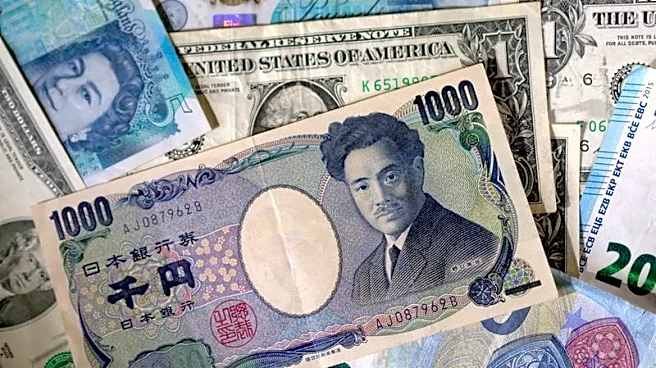
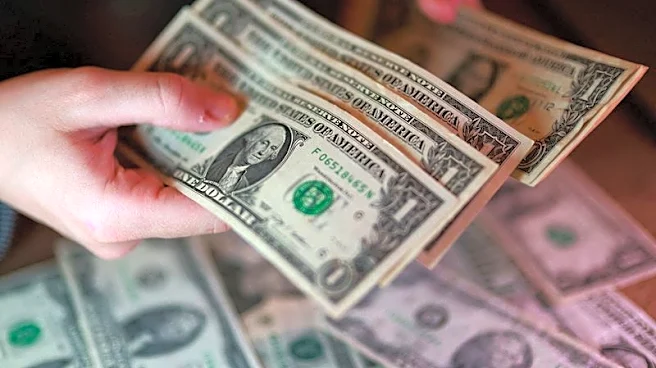
be reduced by a quarter percentage point to 3.5% as inflation approaches the lower end of the government's target range. This announcement has caused the shekel to weaken against major currencies, with the dollar now trading at approximately 2.87 shekels and the euro at 3.33 shekels. Currency exchange operators have reported a shortage of foreign currency cash, driven by increased demand from Israelis purchasing large amounts of foreign currency. The trend is exacerbated by rising insurance costs for shipments due to the ongoing Middle East conflict, affecting the transportation of goods, including banknotes.
Why It's Important?
The Bank of Israel's potential rate cut is significant as it impacts the country's monetary policy and economic stability. A weaker shekel can affect import costs and inflation, influencing consumer prices and economic growth. Businesses may need to reassess their foreign currency exposure and agreements due to the changing exchange rates. The increased demand for foreign currency reflects concerns about the shekel's value and the broader economic implications of the Middle East conflict. This situation highlights the interconnectedness of geopolitical events and economic policy, with potential repercussions for trade, investment, and financial markets.
What's Next?
If the Bank of Israel proceeds with the rate cut, it may further influence the shekel's value and foreign currency demand. Businesses and investors will likely monitor the central bank's actions and adjust their strategies accordingly. The ongoing Middle East conflict and its impact on insurance costs and currency transportation may continue to affect foreign currency availability. Stakeholders, including commercial banks and currency exchange operators, may need to address the shortages and manage customer expectations. The central bank's future decisions will be crucial in shaping Israel's economic landscape and its response to external pressures.