








What's Happening?
The 'One Health' approach is gaining significant traction as an essential strategy for preventing zoonotic disease outbreaks, which pose a substantial threat to global health. This integrated approach recognizes the interconnectedness of human, animal,
and environmental health, asserting that addressing these elements together is crucial for effective prevention. Recent years have seen unprecedented progress in international One Health governance, including the establishment of a global definition by the One Health High-Level Expert Panel (OHHLEP) in 2021 and the development of a comprehensive Joint Plan of Action by a Quadripartite of organizations (FAO, UNEP, WHO, and WOAH) in 2022. Despite this progress, the extent of implementation varies globally, and there is an urgent need for more robust evidence to ensure sustained political and financial commitment.
Why It's Important?
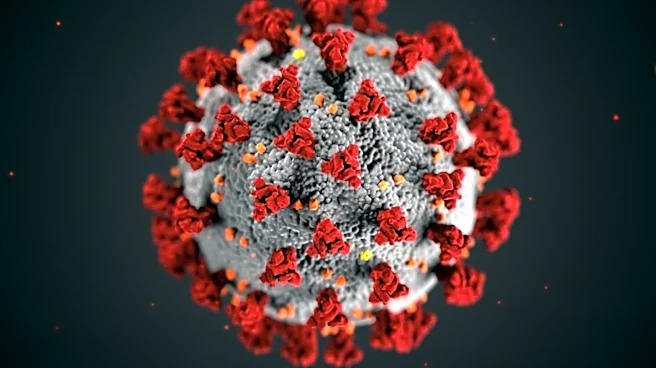
The increasing recognition and implementation of the One Health approach are vital for safeguarding public health and economic stability in the U.S. and globally. Zoonotic diseases, as demonstrated by the COVID-19 pandemic, can rapidly escalate into international crises, causing widespread illness, death, and significant economic disruption. By integrating human, animal, and environmental health strategies, the U.S. can enhance its preparedness and response capabilities, reducing the likelihood and impact of future pandemics. This approach is critical for improving food security, strengthening resilience to global health threats, and ensuring the sustainability of ecosystems that directly affect human well-being. Without a unified and evidence-based strategy, the U.S. remains vulnerable to the emergence and spread of new pathogens, impacting healthcare systems, trade, and daily life.
What's Next?
To translate the growing recognition of One Health into sustained action, several priority areas are being emphasized. These include prioritizing prevention and cross-sector collaboration, aligning methods and strategies across different stakeholders, and harnessing advanced technologies like AI, digitalization, and genomics for enhanced monitoring and data analysis. Furthermore, building competence, institutions, and legal frameworks that embed the One Health approach into national and international systems is crucial. This involves developing data-sharing legislation, global agreements, integrated research centers, national platforms, and workforce development. The ongoing challenge is to gather more robust evidence to demonstrate the practical impact and cost-effectiveness of One Health interventions, thereby maintaining political will and financial commitment.
Beyond the Headlines
The One Health approach represents a fundamental shift in how global health challenges are perceived and addressed, moving away from siloed medical, veterinary, and environmental disciplines towards an integrated understanding. This paradigm acknowledges that human health is inextricably linked to the health of animals and the environment, highlighting the ethical imperative to protect biodiversity and ecological integrity. The emphasis on AI and genomic tools also points to a future where technology plays a central role in predicting and preventing disease outbreaks, raising questions about data privacy, equitable access to technology, and the ethical implications of advanced surveillance. Ultimately, the success of One Health will depend on fostering a culture of collaboration and shared responsibility across diverse sectors and nations, recognizing that global health security is a collective endeavor.