





What's Happening?
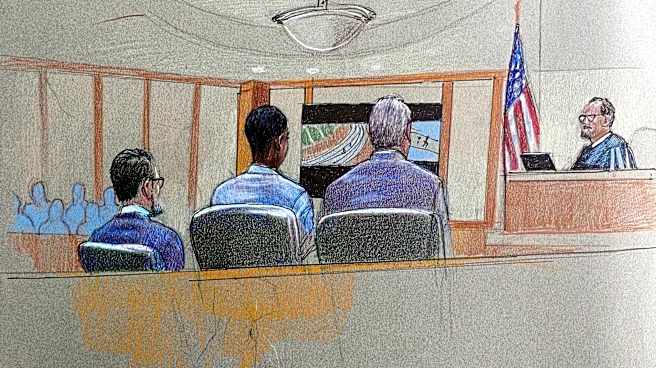
Karmelo Anthony's lawyer is requesting a new trial following his conviction and 35-year sentence for the fatal stabbing of 17-year-old Austin Metcalf at a high school track meet. The defense argues that an agreement between the prosecution and original
defense team to withhold evidence, along with the use of a 'shadow docket' by the original judge, compromised Anthony's right to a fair trial. Prosecutor Bill Wirskye confirmed that both sides agreed to hold back evidence, including Anthony's text fantasizing about stabbing someone and Metcalf's history of fighting and using racist language, to de-escalate racial tensions surrounding the case. The original judge in the case was removed, and a new judge, Michael Chitty, is now considering the motion for a retrial.
Why It's Important?
This case is highly significant for the U.S. legal system, particularly concerning due process and judicial transparency. The allegations of a 'shadow docket' and an agreement to withhold evidence raise serious questions about the fairness of the original trial and the integrity of the judicial process. If a new trial is granted, it could set a precedent for how evidence is handled in racially charged cases and emphasize the importance of full disclosure. The case also highlights the challenges of managing public perception and racial tensions in high-profile criminal proceedings, especially when social media amplifies narratives. For legal professionals, it underscores the ethical obligations to ensure all relevant information is presented, even when attempting to mitigate external pressures. The outcome will have implications for how similar cases are prosecuted and defended across the country.
What's Next?
The hearing on Karmelo Anthony's motion for a retrial is ongoing, and Judge Michael Chitty will make a ruling on the request. If a new trial is granted, it will involve a complete re-examination of the evidence and testimony, potentially bringing previously withheld information to light. If the motion is denied, Anthony's legal team may pursue appeals through higher courts. The case will continue to be closely watched by legal experts and civil rights advocates due to its implications for judicial transparency and racial justice. The prosecutor's acknowledgment of withholding evidence, even with the intent to reduce racial tensions, will likely be a central point of contention in any further legal proceedings.
Beyond the Headlines
The Karmelo Anthony case delves into the complex interplay of race, justice, and public perception within the U.S. legal system. The decision by both legal teams to withhold potentially inflammatory evidence, while perhaps well-intentioned to prevent further racial unrest, raises profound ethical questions about the right to a comprehensive defense and prosecution. It highlights the immense pressure on the justice system when cases become nationalized and infused with social and racial narratives. The concept of a 'shadow docket' further erodes public trust in judicial transparency, suggesting that critical decisions can be made outside public scrutiny. This case could spark broader discussions about judicial ethics, the role of media in influencing trials, and the delicate balance between maintaining public order and ensuring absolute fairness in legal proceedings, particularly in cases with racial undertones.