

What's Happening?
The Inter-American Development Bank (IDB) has maintained its position as one of the largest funders for air quality initiatives, particularly within Latin America and the Caribbean. According to a report covering 2020-2024, the IDB ranked 8th globally
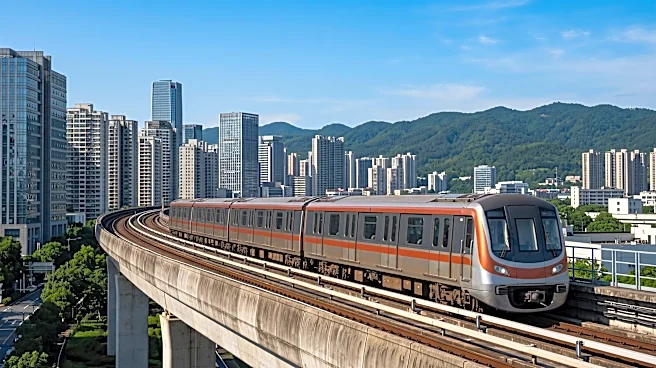
among top funders for total air quality, contributing $3.3 billion, with Ecuador being its largest recipient country (23% of funding). The IDB's investments in air quality are often channeled through large rail infrastructure projects in countries like Chile and Brazil. This sustained funding reflects an increased institutional emphasis on urban mobility and modal shifts towards active and public transport, with air quality improvements explicitly included in the investment rationale for these projects. The report also notes a growing influence of Latin American institutions in air quality funding, with the Development Bank of Latin America also entering the top ten.
Why It's Important?
The IDB's significant role in funding air quality projects in Latin America and the Caribbean holds considerable importance for the U.S. Poor air quality in neighboring regions can have transboundary health and environmental impacts, and contribute to climate change, which is a global concern for the U.S. By investing in projects that improve urban mobility and promote public transport, the IDB is directly addressing sources of air pollution, such as vehicle emissions. This aligns with U.S. efforts to promote sustainable development and environmental protection in the Western Hemisphere. Furthermore, a healthier population and improved urban environments in Latin American countries can lead to greater economic stability and reduced migration pressures, both of which are in the U.S.'s strategic interest. The IDB's explicit inclusion of air quality improvements in its investment rationale sets a precedent for other development banks and could encourage more integrated approaches to infrastructure development that prioritize environmental and public health outcomes.
What's Next?
The IDB is expected to continue its focus on air quality improvements, particularly through investments in urban mobility and public transport infrastructure across Latin America and the Caribbean. This sustained commitment suggests that future IDB-financed projects will likely integrate air quality considerations as a core component of their design and evaluation. The growing influence of Latin American institutions in this funding area indicates a regional commitment to addressing environmental challenges. This trend could lead to increased collaboration between the IDB and other regional development banks, potentially amplifying the impact of air quality initiatives. For the U.S., this implies continued opportunities for partnership with the IDB on environmental and sustainable development projects, and a potential for shared learning and best practices in addressing air pollution in urban centers.
Beyond the Headlines
Beyond the direct impact on air quality, the IDB's approach signifies a deeper understanding of the interconnectedness of urban development, public health, and environmental sustainability. By linking air quality improvements to investments in public transport, the IDB is promoting a holistic view of urban planning that prioritizes human well-being and ecological balance. This integrated strategy has ethical implications, as it acknowledges the right to clean air and healthy living environments for urban populations, particularly in developing countries where pollution disproportionately affects vulnerable communities. Culturally, it can foster a greater appreciation for sustainable urban living and encourage behavioral shifts towards more environmentally friendly modes of transport. The long-term shift could be towards cities that are not only economically vibrant but also ecologically resilient and socially equitable, setting a model for sustainable urbanization in the region and beyond.