




What's Happening?
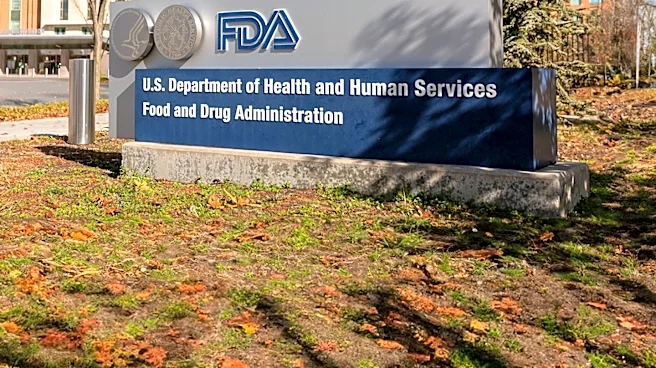
The Charlotte Lozier Institute and the American Association of Pro-Life Obstetricians and Gynecologists (AAPLOG) have submitted a citizen petition to the Commissioner of the Food and Drug Administration (FDA). The petition, filed under 21 C.F.R. § 10.30
and Sections 505 and 505-1 of the Food Drug and Cosmetic Act (21 U.S.C. §§ 355, 355-1), requests that the FDA take specific actions to ensure the quality and credibility of its ongoing safety review of mifepristone. The organizations are seeking measures to enhance the rigor and transparency of the FDA's assessment of the drug, which is used in medication abortions. The petition highlights concerns about the current review process and calls for the FDA to implement changes that would, according to the petitioners, provide a more thorough and reliable evaluation of mifepristone's safety profile. The specific measures requested were not detailed in the provided text but are aimed at improving the integrity of the review.
Why It's Important?
This citizen petition is significant because it directly challenges the FDA's current approach to regulating mifepristone, a drug central to medication abortion in the U.S. The involvement of pro-life organizations like the Charlotte Lozier Institute and AAPLOG underscores the ongoing contentious debate surrounding abortion access and the role of regulatory bodies. If the FDA were to adopt the requested measures, it could lead to a more stringent review process for mifepristone, potentially impacting its availability or conditions of use. This could have far-reaching implications for reproductive healthcare access across the country, affecting patients, healthcare providers, and pharmaceutical companies. The petition also highlights the broader scrutiny faced by the FDA regarding its drug approval and monitoring processes, particularly for medications with significant public health and political implications. The outcome of this petition could set a precedent for how similar drugs are evaluated in the future.
What's Next?
The FDA is required to respond to citizen petitions, though there is no specific timeline for their response. The agency will review the petition and decide whether to grant, deny, or take other action on the requests made by the Charlotte Lozier Institute and AAPLOG. Depending on the FDA's decision, there could be further legal or regulatory challenges. If the FDA agrees to implement more stringent review measures, it could initiate a new phase of evaluation for mifepristone, potentially leading to changes in its labeling, distribution, or even its approval status. Conversely, if the FDA denies the petition, the organizations may pursue other avenues to press their concerns. This situation will likely remain a focal point for advocacy groups on both sides of the abortion debate, influencing public discourse and potentially future policy decisions related to reproductive health.
Beyond the Headlines
This petition delves into the complex intersection of science, public health, and political ideology. While ostensibly about drug safety, the underlying context is the deeply polarized debate over abortion rights in the U.S. The use of a citizen petition is a procedural mechanism that allows external stakeholders to influence regulatory decisions, but in this case, it also serves as a platform for advancing a particular viewpoint on reproductive healthcare. The FDA's response will be closely watched not only for its scientific merits but also for its perceived alignment with broader political currents. This event could further politicize the FDA's role, potentially eroding public trust in its impartiality if its decisions are seen as swayed by political pressure rather than purely scientific evidence. It also highlights the ongoing legal and regulatory battles that continue to shape access to reproductive healthcare in a post-Roe v. Wade America.