


What's Happening?
The Chief Economist of the Food and Agriculture Organization (FAO), Máximo Torero, has issued a warning regarding the severe global food security risks stemming from disruptions in the Strait of Hormuz trade corridor. This vital passage, which typically
facilitates the transport of 20 million barrels of oil daily, has seen a dramatic reduction in tanker traffic by over 90% due to recent escalations. The strait is crucial not only for oil but also for liquefied natural gas and fertilizers, with the Gulf region accounting for nearly half of the global sulfur trade. This disruption is causing significant challenges in global commodity flows, impacting agricultural production and markets worldwide. The situation is exacerbated by rising insurance costs, with war-risk premiums increasing significantly, further complicating shipping conditions.
Why It's Important?
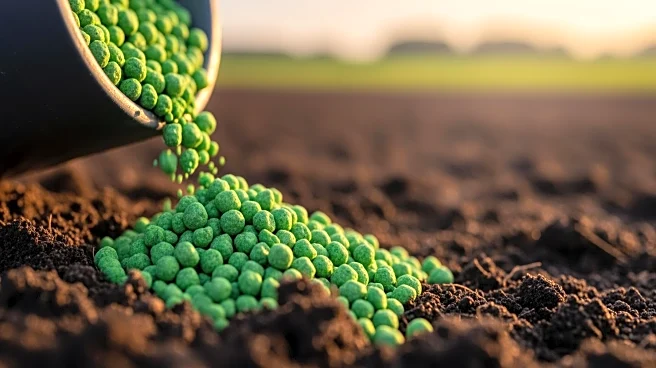
The disruption in the Strait of Hormuz has far-reaching implications for global food security and agricultural production. Fertilizer prices have surged, with significant increases in the cost of Middle East granular urea and Egyptian urea. This rise in input costs is expected to lead to reduced fertilizer application by farmers, potentially resulting in lower crop yields. The crisis could also affect global planting decisions, particularly for fertilizer-intensive crops like wheat, rice, and maize. Countries heavily reliant on fertilizer imports, such as Sri Lanka, Bangladesh, and India, are particularly vulnerable. The situation could lead to increased competition for agricultural feedstocks due to higher oil prices, further straining global food systems.
What's Next?
The duration of the disruption will be crucial in determining its global impact. A short-term disruption might see markets stabilize within a few months, but a prolonged crisis could significantly affect global food stocks and planting decisions for 2026 and beyond. The FAO recommends urgent international action, including establishing alternative trade corridors and providing financial support to affected countries. In the long term, diversifying fertilizer import sources and investing in sustainable agriculture are essential strategies to mitigate future risks.
Beyond the Headlines
The disruption in the Strait of Hormuz highlights the interconnectedness of global trade and the vulnerability of food systems to geopolitical tensions. The crisis underscores the need for strategic infrastructure in food systems and the importance of sustainable agricultural practices. Additionally, potential declines in income from Gulf economies could impact households in developing countries reliant on remittances, further exacerbating food insecurity.