






What's Happening?
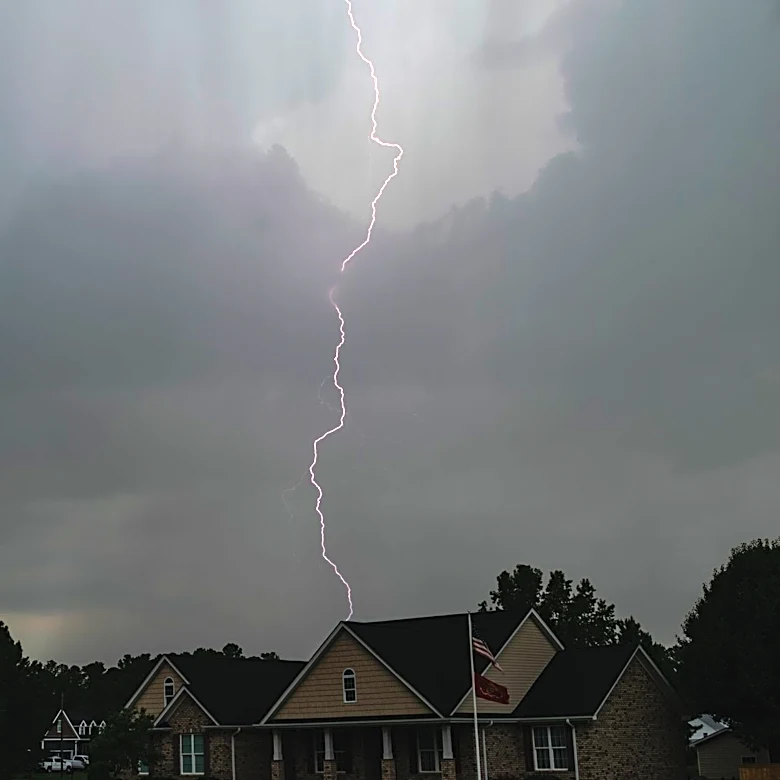
Severe storms are expected to improve air quality across the eastern U.S. by dispersing smoke from Canadian wildfires. The smoke has affected air quality in the Upper Midwest and Northeast, with over 125 million Americans under Air Quality Alerts. As
the storms move through, they will help clear the smoke, bringing relief to major cities like Washington, D.C., Baltimore, and Philadelphia. However, the smoke may return as another cold front is expected to sweep through the area early next week.
Why It's Important?
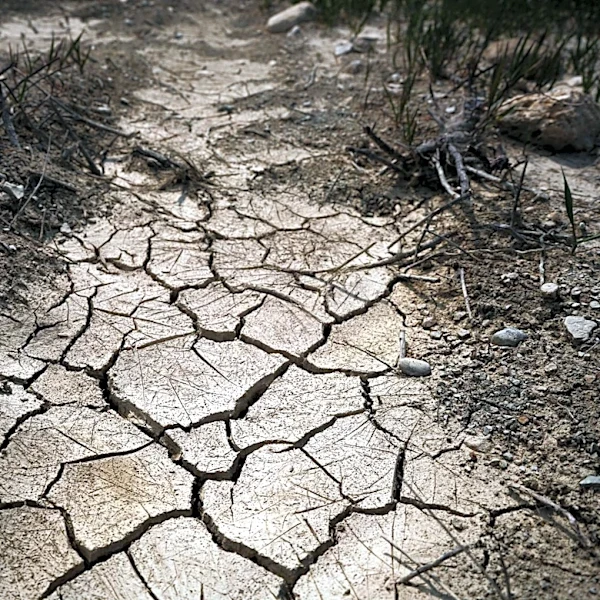
The improvement in air quality is significant for public health, as prolonged exposure to smoke can exacerbate respiratory conditions and other health issues. The situation highlights the challenges of managing air quality in the face of natural disasters and the importance of timely weather forecasts in mitigating health risks. The potential return of smoke underscores the need for ongoing monitoring and preparedness. The situation also emphasizes the broader implications of climate change, as increasing temperatures and dry conditions contribute to more frequent and intense wildfires.
What's Next?
Authorities will continue to monitor air quality and issue alerts as necessary. The potential return of smoke next week will require ongoing vigilance and communication with the public. The situation may prompt discussions on long-term strategies for managing air quality and addressing the root causes of wildfires. Public health officials will focus on protecting vulnerable populations and providing resources to mitigate the smoke's impact. The response will involve coordination between meteorologists, health officials, and government agencies to ensure public safety.