




What's Happening?
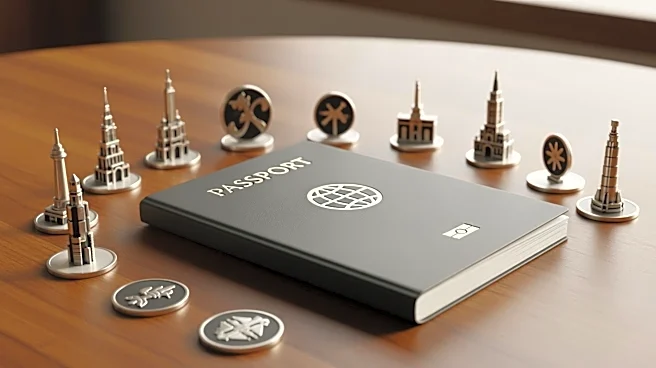
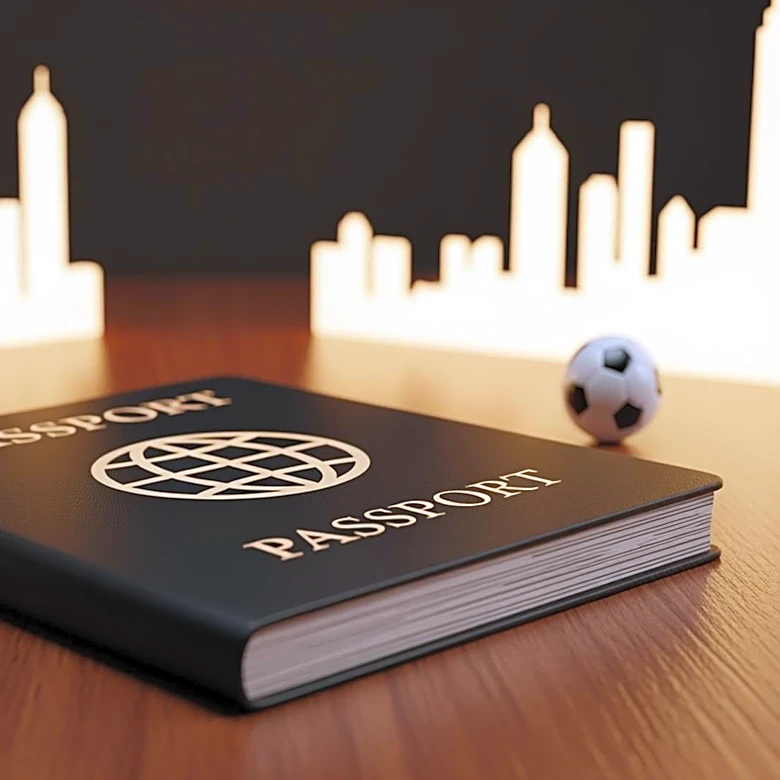
New York City has launched a 'neighborhood passport' initiative aimed at encouraging both residents and visitors to explore the city's diverse neighborhoods during the FIFA World Cup. Announced by Mayor Zohran Mamdani, the program allows participants
to collect stamps from various community organizations and public events across the five boroughs. The initiative is designed to highlight immigrant neighborhoods, cultural institutions, and small businesses, offering a unique way to experience the city beyond the main event at MetLife Stadium. Starting June 11, passports will be available at public libraries, featuring stamps designed by NYC-based artists with international roots. The program includes a variety of events such as dance performances, film screenings, and art exhibits, encouraging exploration of areas like Little Senegal in Harlem and Little Colombia in Queens.
Why It's Important?
This initiative is significant as it not only promotes cultural diversity and inclusivity but also supports local businesses and communities. By encouraging exploration of lesser-known neighborhoods, the program aims to distribute the economic benefits of the World Cup more evenly across the city. It also provides an opportunity for cultural exchange and understanding, as participants engage with different communities and their unique offerings. The initiative aligns with broader efforts to boost tourism and local economies, particularly in immigrant-rich areas that may not typically benefit from large-scale events. Additionally, the program fosters a sense of community and belonging among residents and visitors alike, enhancing the overall World Cup experience.
What's Next?
As the World Cup approaches, New York City will continue to roll out related initiatives, including the launch of an interactive digital map by NYC Tourism + Conventions on May 27. This map will help users discover low-cost events and activities during the tournament. The city council has also introduced legislation to support local businesses during the event, which includes creating a centralized events calendar. These efforts aim to ensure that the World Cup's impact is felt citywide, providing lasting benefits to New York's diverse communities. Stakeholders, including local businesses and cultural organizations, are expected to actively participate in these initiatives, contributing to a vibrant and inclusive World Cup experience.