
What's Happening?
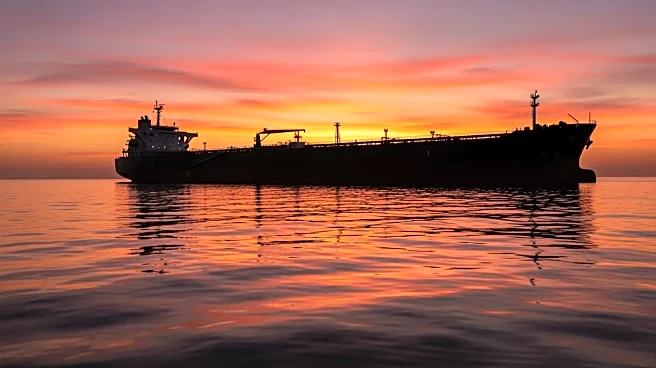
The U.S. Department of the Treasury's Office of Foreign Assets Control (OFAC) has intensified its efforts against Iran's shadow fleet, which is involved in exporting Iranian petroleum products through
deceptive practices. OFAC has sanctioned 29 vessels and their management firms, which have transported significant volumes of Iranian petroleum. This action is part of a broader strategy to apply maximum economic pressure on Iran, aiming to cut off revenue streams that fund its military and weapons programs. The sanctions target vessels managed by companies in the UAE and other jurisdictions.
Why It's Important?
The Treasury's actions are significant in the context of U.S. foreign policy and economic sanctions aimed at curbing Iran's nuclear ambitions. By targeting the shadow fleet, the U.S. seeks to disrupt Iran's ability to generate revenue from oil exports, which is crucial for its economy. This move could have broader implications for international shipping and trade, particularly for companies involved in transporting Iranian oil. It underscores the U.S. commitment to enforcing sanctions and could lead to increased scrutiny and compliance costs for global shipping firms.
What's Next?
The sanctions are likely to lead to further diplomatic tensions between the U.S. and Iran. Shipping companies worldwide may need to reassess their operations to avoid potential penalties. The U.S. may continue to monitor and sanction additional entities involved in Iranian oil exports. This could result in shifts in global oil supply chains and impact oil prices, depending on the effectiveness of the sanctions in reducing Iranian oil exports.