






What's Happening?
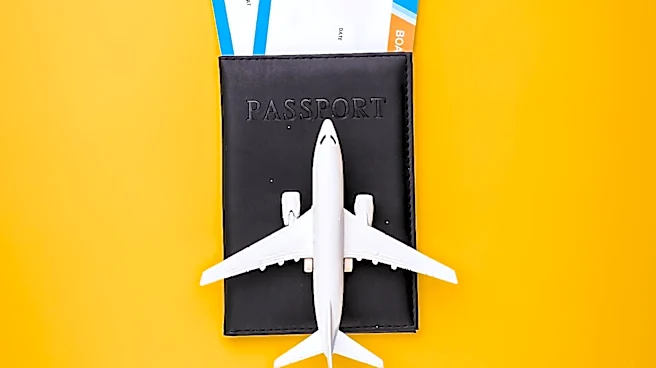
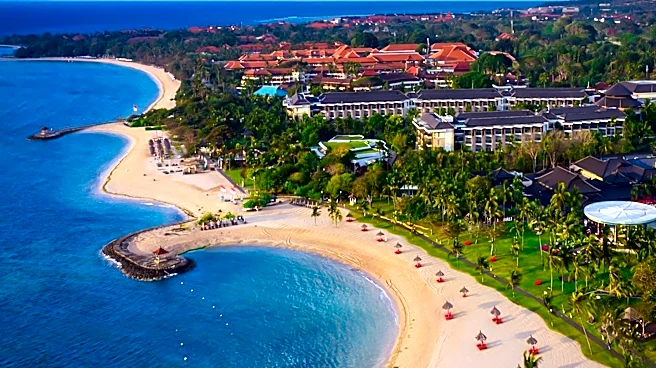
Despite significant increases in airfares, gas, and hotel prices, a majority of Americans continued with their summer travel plans, according to surveys by Squaremouth and Hertz. Squaremouth, a travel insurance company, found that 55% of U.S. summer travelers
made no changes to their plans, with only 3% canceling trips entirely. While 47% of travelers surveyed by Squaremouth indicated that a cost increase of 25% or less would prompt them to alter their plans, many instead adjusted their overall budgets to accommodate travel. Jackie Mondelli, Squaremouth's chief marketing officer, noted that travel has become something people budget around rather than give up. Data suggests that discretionary spending on travel often takes precedence over other 'fun' expenses like dining out or nonessential shopping. Over half of Squaremouth's respondents reported cutting back in other areas, with 19% reducing retail shopping and 13% cutting back on restaurant visits. Furthermore, 46% of Americans plan to travel in the fall, even with elevated fuel prices and global conflicts, often seeking to avoid summer heat waves.
Why It's Important?
This trend highlights a significant shift in consumer spending priorities within the U.S. economy, where travel is increasingly viewed as a non-negotiable expense rather than a luxury. This prioritization has substantial implications for the travel and hospitality industries, indicating a resilient demand even in the face of inflationary pressures. Businesses in these sectors may continue to see robust activity, while other discretionary spending categories, such as retail and restaurants, could experience sustained cutbacks. The willingness of consumers to reallocate funds from other areas to finance travel suggests a deep-seated value placed on experiences, connection, and personal well-being. This behavior could also influence future economic forecasts, as consumer confidence in travel spending remains strong despite broader economic uncertainties. For financial planners and economists, understanding this shift is crucial for accurately predicting consumer behavior and its impact on various market segments.
What's Next?
Given the sustained demand, travel companies are likely to continue adjusting their pricing strategies, potentially maintaining higher rates as consumers demonstrate a willingness to pay. The 'shoulder season' (periods between peak tourism months), traditionally more affordable, may see continued elevated demand and prices, diminishing historical savings. Consumers will likely continue to employ strategies such as booking in advance, utilizing price alerts, and comparing multiple platforms to find the best deals. The focus on budget adjustments rather than cancellations suggests that flexible travel options and value-oriented packages will remain attractive. Businesses outside the travel sector, particularly in retail and dining, may need to adapt to this ongoing shift in consumer spending, potentially by offering more compelling value propositions or unique experiences to attract discretionary income. The upcoming fall travel season will be a key indicator of whether this trend of prioritizing travel over other expenses will persist.
Beyond the Headlines
The phenomenon of Americans prioritizing travel despite rising costs points to deeper societal and psychological factors at play. Travel is increasingly perceived not just as a vacation, but as an integral part of personal identity, aligning with values such as connection, adventure, or respite. This psychological attachment to travel means that consumers are more likely to make 'spending-plan adjustments' rather than forgo trips entirely. This could lead to a re-evaluation of what constitutes 'essential' versus 'discretionary' spending in the modern American household. The long-term implications could include a sustained boost for the experience economy, potentially at the expense of goods-based consumption. It also raises questions about financial resilience and the ability of households to absorb higher costs for desired experiences, potentially leading to increased personal debt or reduced savings for other life goals. This cultural shift underscores the evolving relationship between Americans and their leisure time, emphasizing experiential wealth over material possessions.