
What's Happening?
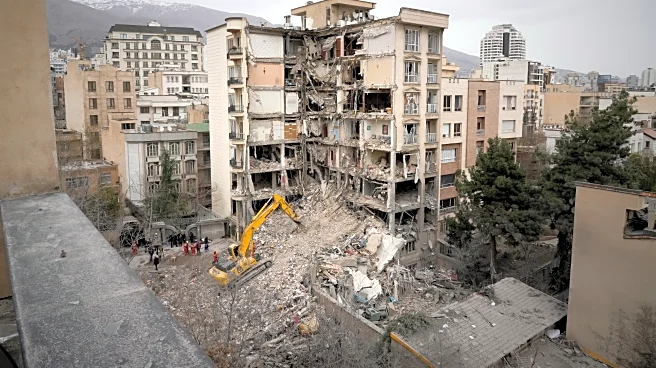
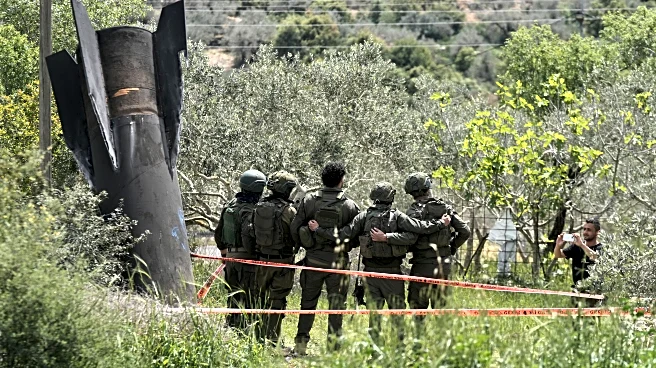
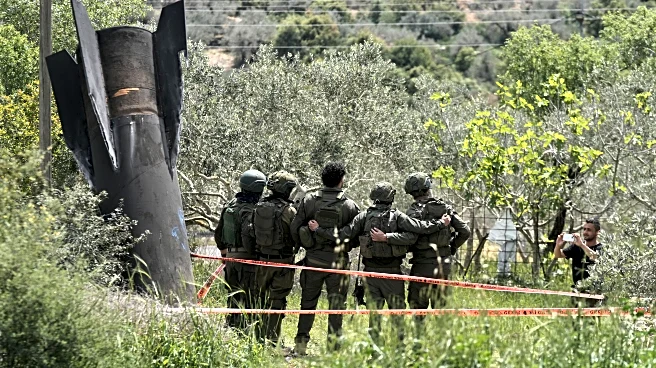
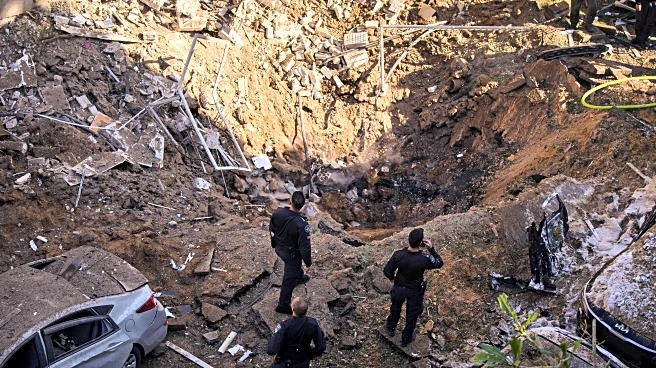
President Donald Trump has proposed a 15-point plan to Iran aimed at ending the ongoing conflict, which has lasted nearly a month. The plan includes demands for Iran to dismantle its nuclear capabilities, cease its missile program, and allow non-hostile
vessels to pass through the Strait of Hormuz. In exchange, Iran would benefit from the lifting of sanctions and assistance in advancing its civilian nuclear program. Despite these diplomatic efforts, the U.S. is reportedly planning to deploy 3,000 soldiers to the Middle East, indicating a continued military presence. The proposal was reportedly sent to Iran through Pakistan, which has offered to mediate between the two countries.
Why It's Important?
The proposed plan is significant as it represents a potential diplomatic resolution to a conflict that has seen escalating military actions and rising global tensions. The reopening of the Strait of Hormuz is particularly crucial, as it is a vital passage for global oil supplies. The lifting of sanctions could provide economic relief to Iran, while the U.S. aims to prevent Iran from developing nuclear weapons. However, the continued military buildup suggests that the situation remains volatile, with potential implications for regional stability and global energy markets.
What's Next?
If the plan is accepted, a month-long ceasefire could be declared, allowing for negotiations to proceed. However, the success of these talks depends on the willingness of both parties to compromise and the support of regional allies, such as Israel, which has been involved in military actions against Iran. The U.S. Congress may also play a role, as the Trump administration seeks approval for a significant war-related funding bill. The outcome of these negotiations could have lasting impacts on U.S.-Iran relations and the broader geopolitical landscape.