






What's Happening?
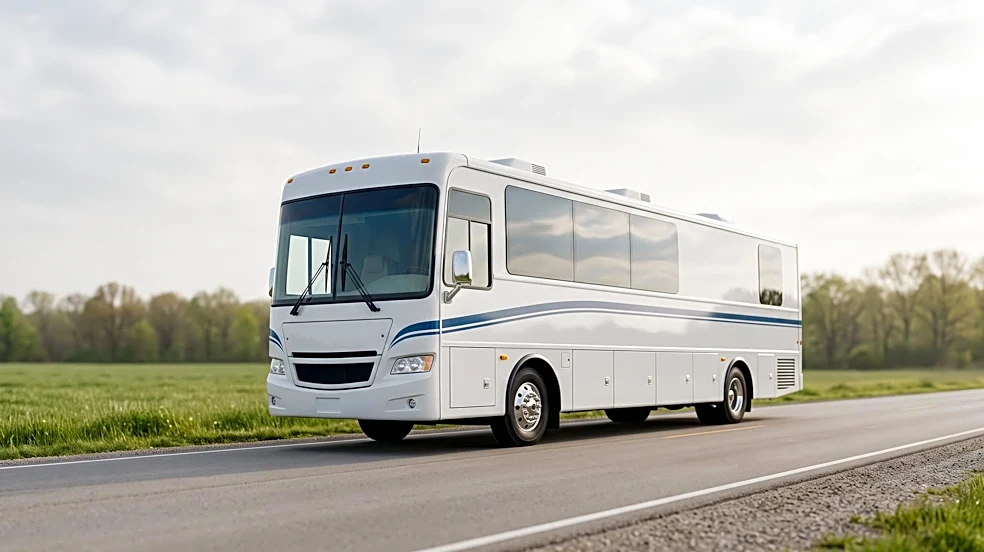
A new mobile screening bus, named HOPE on Wheels: Health Outreach, Prevention and Education, has completed its inaugural summer of operations, providing free cancer screenings to rural and underserved communities across Kansas and western Missouri. The
42-foot bus, an initiative by the Masonic Cancer Alliance, the outreach network of The University of Kansas Cancer Center, has traveled approximately 7,000 miles. It has conducted screenings for 826 individuals at 17 events in various towns. The bus is equipped with a mammography room, a phlebotomy station, exam space, and offers free skin cancer screenings, prostate cancer screenings, take-home colorectal cancer screening kits, and genetic counseling education. Mammograms are billed to insurance for those covered, while the Masonic Cancer Alliance covers costs for uninsured individuals. This program aims to overcome geographical barriers to early cancer detection.
Why It's Important?
This initiative is crucial for addressing healthcare disparities in rural and underserved areas, where access to specialized medical services like cancer screenings is often limited. By bringing screenings directly to communities, HOPE on Wheels removes significant obstacles such as long travel distances and lack of local facilities, which can deter individuals from seeking preventative care. Early detection of cancer significantly improves treatment outcomes and survival rates, making this mobile service a vital tool in public health. The program's ability to provide free or covered screenings also ensures that economic status does not prevent individuals from accessing potentially life-saving diagnostic services, thereby promoting health equity across the region. The positive community response, with high turnout even in small towns, underscores the critical need for such accessible healthcare solutions.
What's Next?
The HOPE on Wheels bus is expected to continue its mission of providing cancer screenings and educational materials to communities in Kansas and western Missouri. The Masonic Cancer Alliance will likely refine its schedule and outreach efforts based on the data and experiences gathered during this initial summer. Future plans may include expanding the number of communities visited, increasing the frequency of visits, or enhancing the types of screenings offered based on community needs and funding availability. Continued funding from organizations like the Kansas Masonic Foundation and the Cinelli Family Foundation will be essential for sustaining and expanding the program's reach and impact. The success of this mobile unit could also serve as a model for similar initiatives in other regions facing healthcare access challenges.
Beyond the Headlines
The success of the HOPE on Wheels program highlights a broader shift in healthcare delivery towards more community-centric and mobile solutions, particularly in addressing the needs of rural populations. This model not only improves access to critical medical services but also fosters trust and engagement within communities that may feel overlooked by traditional healthcare systems. Ethically, it underscores the principle of equitable access to healthcare as a fundamental right, irrespective of geographic location or socioeconomic status. Legally, such initiatives may influence policy discussions around funding for mobile health units and incentives for healthcare providers to serve underserved areas. Culturally, it reinforces the idea that healthcare should be proactive and accessible, rather than solely reactive, potentially leading to long-term improvements in public health attitudes and behaviors.