







What's Happening?
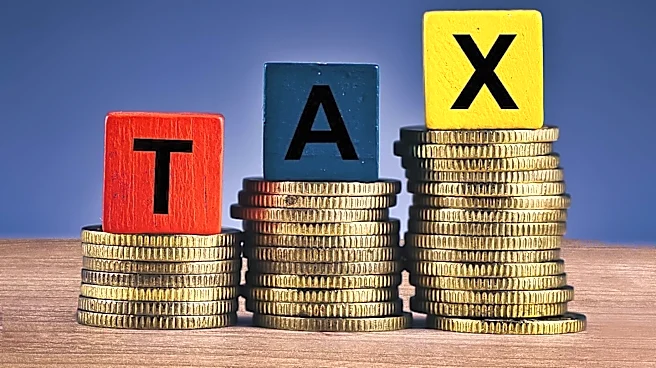
The New Hampshire Department of Revenue Administration has set Nashua's 2026 tax rate at $18.43 per $1,000 of valuation. This represents a 9.5% increase from the 2025 tax rate of $16.83, equating to an additional $1.60 per $1,000. For the median assessed
single-family home in Nashua, valued at $483,700 for 2026, this increase translates to approximately $775. Property tax bills reflecting this new rate are scheduled to be mailed on November 20, with a due date of December 21. The city attributes this adjustment to changes in property values, which have remained relatively stable.
Why It's Important?
This significant increase in Nashua's property tax rate will directly impact homeowners and property owners in the city, leading to higher annual tax burdens. The 9.5% jump is a notable change compared to previous years, potentially affecting household budgets and the overall cost of living in Nashua. While the city cites stable property values as a factor, the increased rate could influence decisions for prospective homebuyers and current residents, particularly those on fixed incomes. The revenue generated from this higher tax rate will contribute to funding local services and infrastructure, but it also places a greater financial demand on the community's property owners.
What's Next?
Property tax bills will be distributed on November 20, with payments due by December 21. Residents will need to adjust their financial planning to accommodate the increased tax obligations. The long-term implications of this tax rate hike could include ongoing discussions about property valuation methods, city budgeting, and the balance between funding public services and managing taxpayer burden. Future tax rates will likely be influenced by continued property value assessments and the city's financial needs, potentially leading to further adjustments in subsequent years.
Beyond the Headlines
The decision to raise the property tax rate by a substantial margin highlights the ongoing challenge faced by local governments in balancing fiscal responsibilities with the economic realities of their constituents. While the increase aims to support municipal services, it also raises questions about affordability and the potential for property tax fatigue among residents. This situation could spark broader conversations about local government spending, the efficiency of public services, and alternative revenue streams to alleviate the reliance on property taxes. It also underscores the importance of transparency in property valuation and tax rate setting processes for maintaining public trust.