



What's Happening?
The Princeton University Art Museum in New Jersey has been named one of TIME magazine's World's Greatest Places of 2026. This recognition highlights the museum's significant expansion and its role in the art scene. The museum, located on the Princeton University campus,
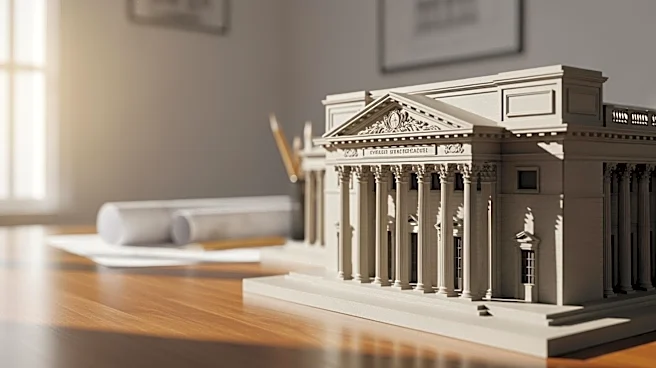
now features a 146,000-square-foot space with 32 galleries, showcasing a diverse collection that spans over 5,000 years of global art. The museum's design, by Adjaye Associates, combines classical and contemporary elements, with a Brutalist exterior and light-filled interiors. The collection includes works by renowned artists such as Rodin, Manet, Monet, and Degas, alongside new commissions from women and artists of color. The museum's innovative approach to curation includes juxtaposing different art styles, such as placing a Nick Cave Soundsuit next to an Edo-period samurai suit.
Why It's Important?
The inclusion of the Princeton University Art Museum in TIME's list underscores the growing recognition of New Jersey's cultural contributions. This accolade not only elevates the museum's status but also enhances the state's reputation as a cultural destination. The museum's expansion and diverse collection reflect broader trends in the art world towards inclusivity and representation of underrepresented artists. This recognition could attract more visitors to New Jersey, boosting local tourism and the economy. Additionally, it highlights the importance of investing in cultural institutions as a means of fostering community engagement and education.
What's Next?
The recognition by TIME is likely to increase interest in the Princeton University Art Museum, potentially leading to higher visitor numbers and increased funding opportunities. The museum may continue to expand its collection and programming, further establishing itself as a leading cultural institution. Other museums in New Jersey, such as the Newark Museum of Art and the Liberty Science Center, may also benefit from increased attention to the state's cultural offerings. This could lead to more collaborative efforts among New Jersey's museums to promote the state's rich cultural heritage.