






What's Happening?
Singapore's National Environment Agency (NEA) is expanding its efforts to combat transboundary haze by issuing preventive notices to three additional Indonesian companies. These companies, PT Buana Megatama Jaya, PT Mananjung Hayak, and PT Baratama Putra
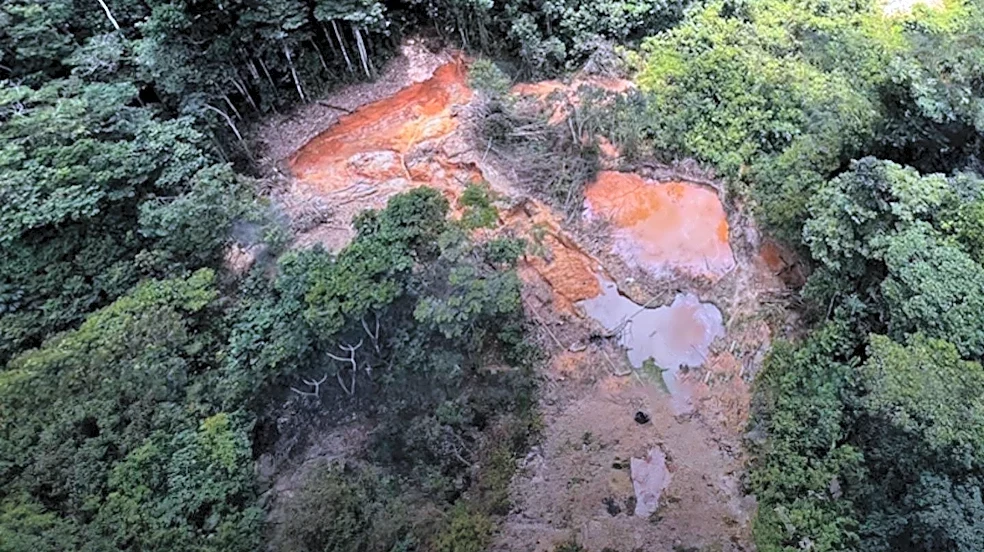
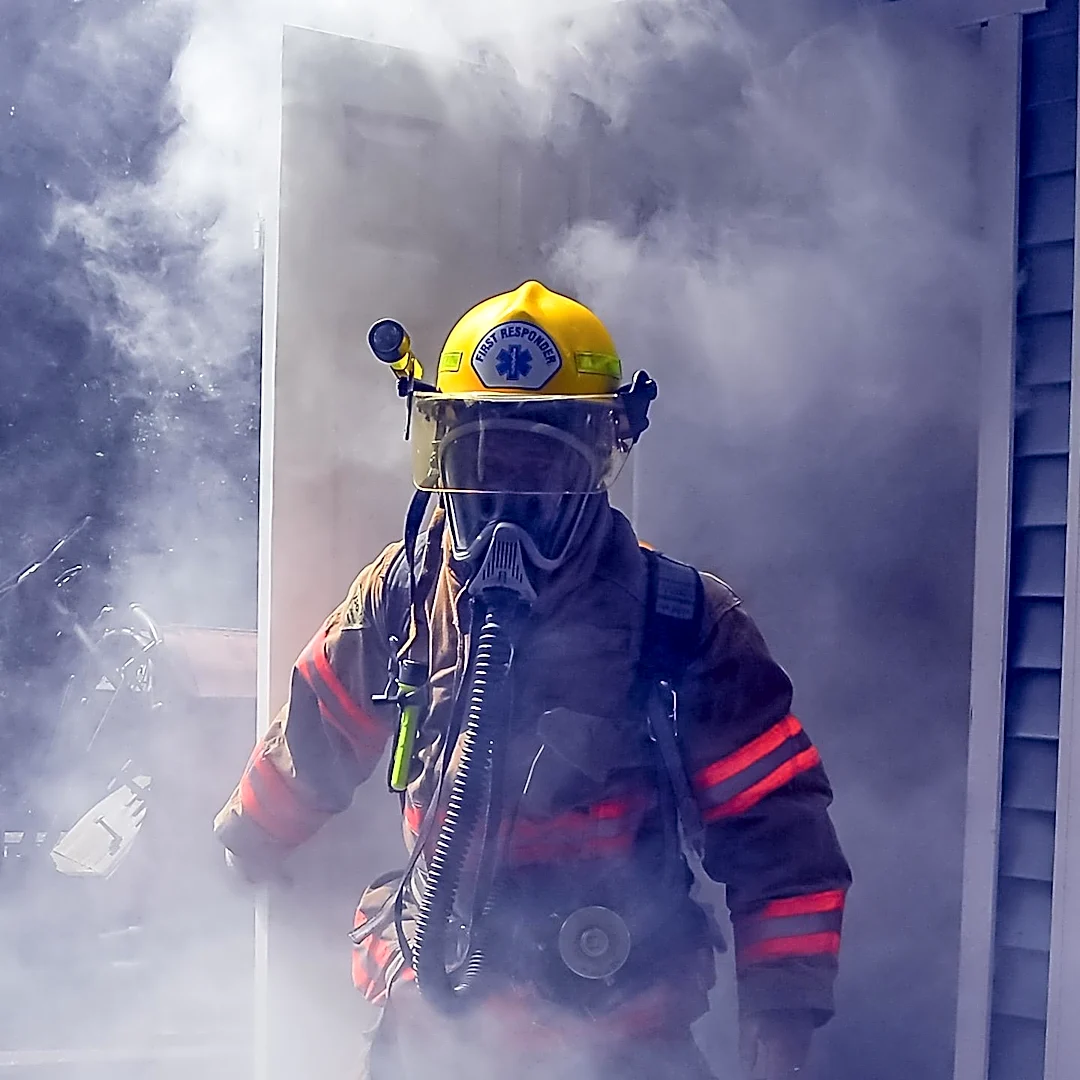
Perkasa, are located in Kalimantan province and are suspected of having fires on their concession lands that contribute to the haze affecting Singapore. This brings the total number of Indonesian companies targeted under Singapore's Transboundary Haze Pollution Act to ten. The notices require these companies to deploy firefighting personnel, cease all burning activities, and submit action plans to prevent future fires. Singapore's Coordinating Minister for National Security, K. Shanmugam, emphasized that the haze is preventable and driven by companies pursuing profits, warning that the government will use all legal and regulatory levers to exert pressure, including on their financial standing and access to financing, regardless of their presence in Singapore.
Why It's Important?
The persistent issue of transboundary haze from Indonesian forest fires has significant implications for public health, the environment, and regional relations. The haze pushes air pollution to unhealthy and hazardous levels, disrupting daily life, leading to school closures, and posing serious health risks to the population in Singapore, Malaysia, and other parts of Southeast Asia. This situation highlights the challenges of environmental governance across borders and the economic drivers behind such ecological disasters. Singapore's proactive legal and regulatory measures, including targeting companies without a direct presence in the country, set a precedent for how nations can address cross-border environmental harm. The economic impact extends to various sectors, including tourism and public health services, and underscores the need for stronger regional cooperation and enforcement mechanisms to hold corporations accountable for their environmental footprint.
What's Next?
The three newly notified Indonesian companies are now required to take immediate action to extinguish fires and prevent their recurrence on their lands. Failure to comply could lead to prosecution and financial penalties under Singapore's Transboundary Haze Pollution Act. The Singapore Exchange is also seeking information from seven Singapore-listed agricultural companies regarding their operations and potential links to fires in Indonesia, indicating a broader scrutiny of corporate responsibility. While Indonesia's top security minister, Dudung Abdurachman, has stated that the government will not declare the fires a national disaster, efforts by Indonesian President Prabowo Subianto to tackle the fires, including accepting foreign assistance and prioritizing fire prevention, are noted. The effectiveness of these measures will depend on the enforcement capabilities in Indonesia and the continued pressure from affected neighboring countries like Singapore.
Beyond the Headlines
The ongoing haze crisis reveals deeper ethical and legal complexities surrounding corporate accountability and environmental justice. The difficulty in proving who is responsible for fires across vast, often peat-rich lands, and the transboundary nature of the pollution, create significant enforcement challenges. The issue also touches upon the economic incentives that drive land clearing practices, often for agricultural expansion, and the tension between economic development and environmental protection. The 'bad behavior' of companies breaching regulations, as highlighted by Minister Shanmugam, points to a systemic problem where profit motives can override environmental stewardship. This situation underscores the need for international legal frameworks that can effectively address environmental crimes committed by corporations operating across national borders, and for greater transparency in land use and corporate supply chains to prevent such crises in the future.