





What's Happening?
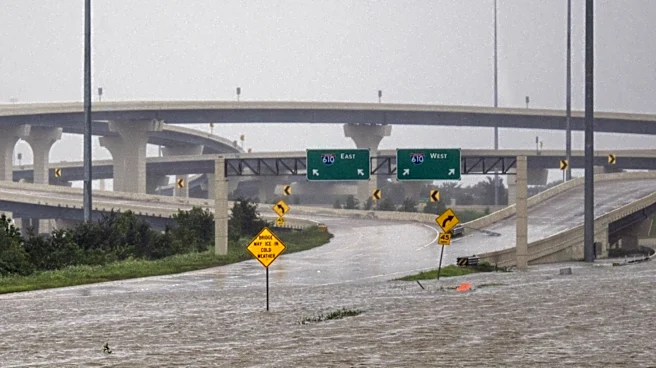
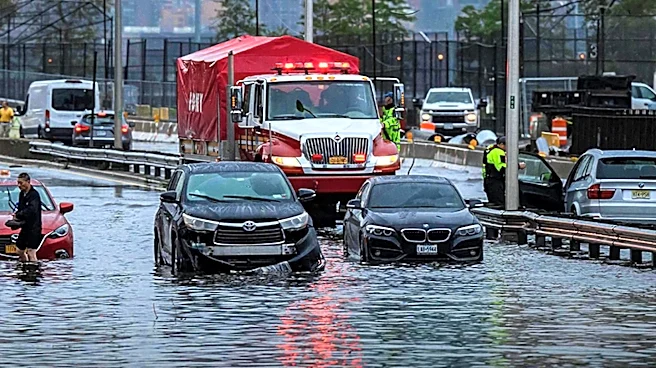
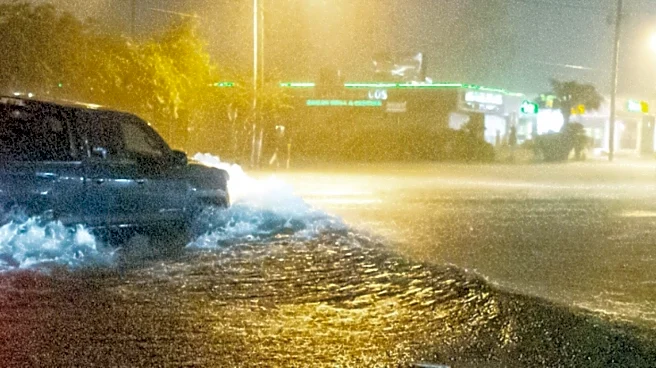
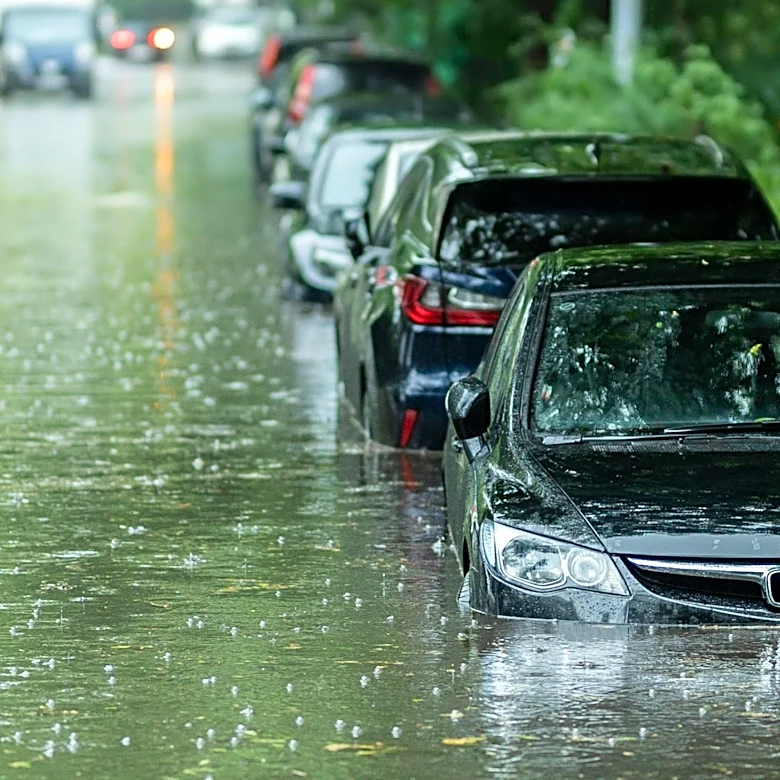
Long Island has been experiencing an increase in flash flooding incidents, attributed to extreme rainfall events. On July 29, 2026, over 2 inches of rain were recorded at Long Island MacArthur Airport, marking the highest daily rainfall since 1963. Governor
Kathy Hochul has urged residents to remain vigilant in the face of potential flash flooding. Flash floods, often caused by heavy rainfall in a short period, have become more frequent in the northeastern United States, with a 60% increase in extreme precipitation events between 1958 and 2018. Experts suggest that urbanization and impervious surfaces contribute to the increased risk of flash flooding.
Why It's Important?
The rise in flash flooding poses significant risks to infrastructure, property, and public safety on Long Island. The increased frequency of extreme rainfall events is linked to climate change, which could lead to more severe weather patterns in the future. This trend highlights the need for improved urban planning and infrastructure to manage stormwater effectively. The economic impact of such events can be substantial, with potential damage to homes, roads, and other critical infrastructure. Additionally, the safety of residents is at risk, as flash floods can occur rapidly and with little warning.
What's Next?
Local authorities and policymakers may need to consider enhancing flood management systems and updating infrastructure to cope with the increased risk of flash flooding. Public awareness campaigns could be implemented to educate residents on safety measures during extreme weather events. Further research into climate change's impact on regional weather patterns may also be necessary to develop long-term strategies for mitigating flood risks.