








What's Happening?
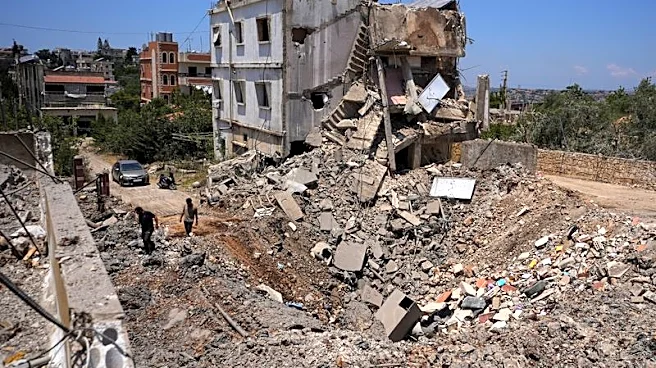
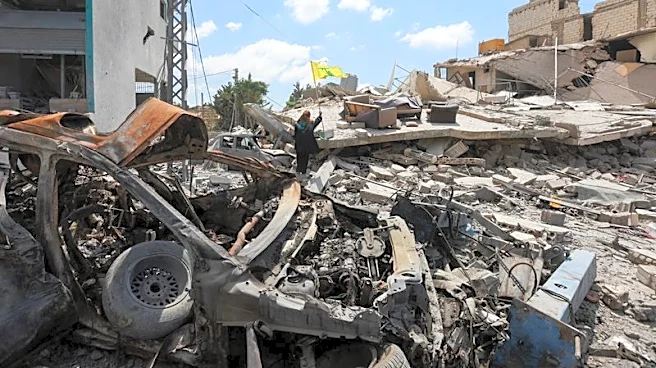
Selim Sharaf, a beekeeper in southern Lebanon, has been unable to access the majority of his beehives due to their location near the Israeli border, an area currently controlled by Israeli troops. This situation has persisted for nearly two years, leaving
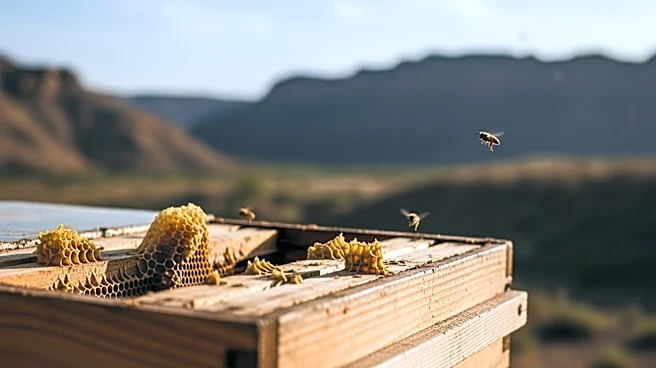
Sharaf uncertain about the fate of approximately 150 of his 200 hives. The ongoing conflict between Israel and Hezbollah has severely impacted his honey production, as he has not been able to harvest a significant crop. Sharaf has relocated about 50 hives to olive groves near his hometown of Hasbaya, but the new location lacks sufficient flowering plants, making it difficult for the bees to thrive. The loss of access to his hives has jeopardized years of work in building his beekeeping business.
Why It's Important?
The inability to access his hives has significant economic implications for Selim Sharaf, as beekeeping is a primary source of income. The conflict has not only disrupted his livelihood but also highlights the broader impact of geopolitical tensions on local economies and agriculture. The situation underscores the vulnerability of small-scale farmers and beekeepers in conflict zones, where access to resources and markets can be severely restricted. This case also reflects the challenges faced by agricultural sectors in regions affected by military presence and ongoing hostilities, potentially leading to long-term economic instability and loss of biodiversity.
What's Next?
If the conflict continues, Sharaf may face further challenges in sustaining his beekeeping business. The lack of access to his hives could lead to a permanent loss of bee colonies, affecting future honey production. There may be a need for international or local interventions to provide support to farmers like Sharaf, ensuring they can maintain their livelihoods despite the ongoing conflict. Additionally, diplomatic efforts to resolve the tensions between Israel and Hezbollah could eventually allow Sharaf and others in similar situations to regain access to their agricultural resources.
Beyond the Headlines
The situation faced by Selim Sharaf also raises questions about the environmental impact of conflict zones. Bees play a crucial role in pollination and maintaining ecological balance, and their decline could have broader environmental consequences. The loss of bee colonies in conflict areas could lead to reduced pollination of local flora, affecting biodiversity and agricultural productivity. This highlights the need for environmental considerations in conflict resolution and post-conflict recovery efforts.