


What's Happening?
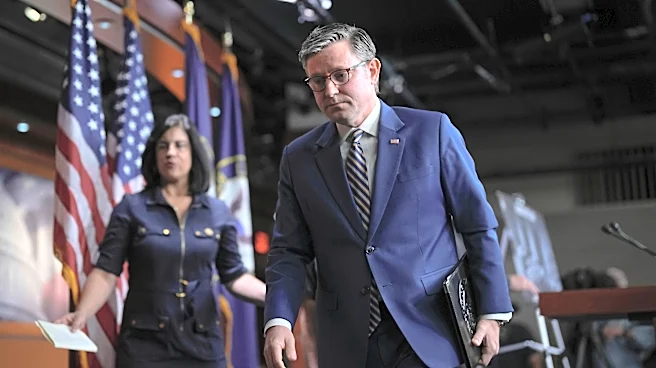
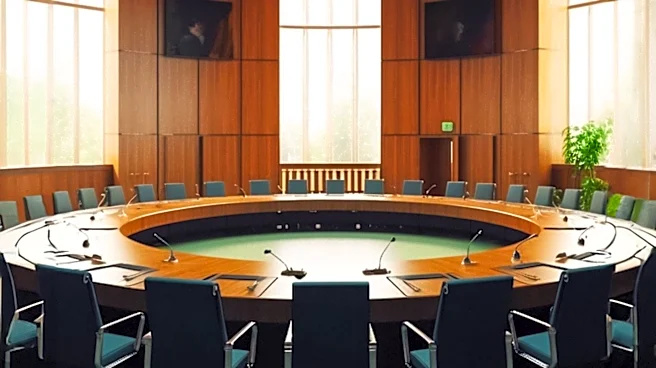
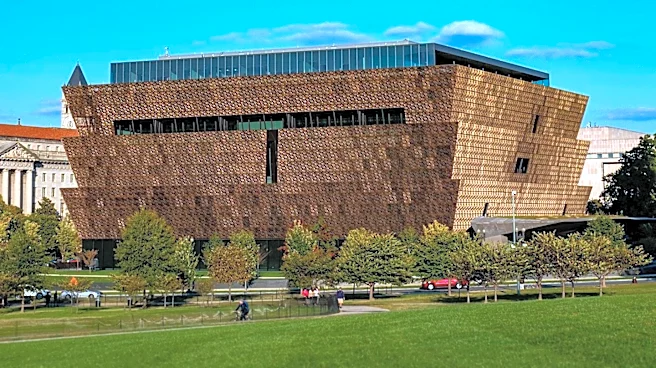
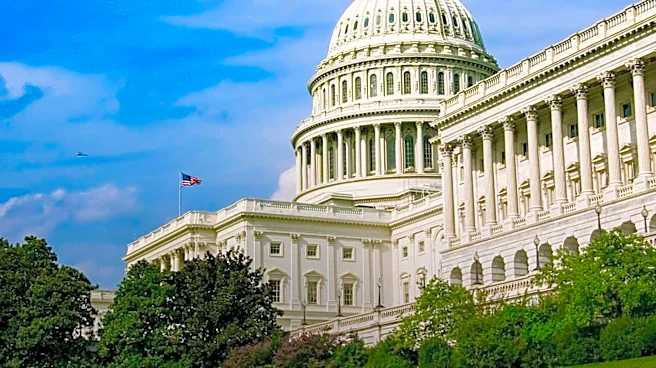
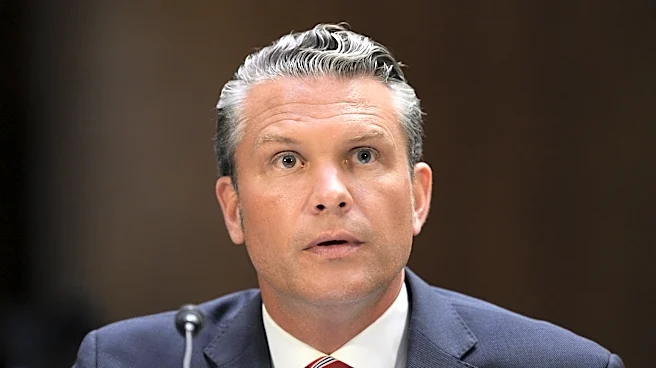
In a recent subcommittee hearing, House Republicans questioned Anthea Hartig, director of the National Museum of American History, over the museum's focus on themes of oppression and activism. The hearing, led by Rep. Tim Burchett, criticized the Smithsonian
for allegedly promoting a 'woke ideology' and underemphasizing patriotic narratives. The GOP's comments align with criticisms from the Trump administration, which accused the museum of engaging in anti-white and transgender activism. Democrats countered these claims, defending the museum's role in representing diverse American histories and accusing Republicans of attempting to control historical narratives.
Why It's Important?
The debate over the Smithsonian's exhibitions reflects broader cultural and political tensions in the U.S. regarding historical representation and education. The criticisms from House Republicans highlight ongoing disputes over how American history should be portrayed, with implications for public education and cultural institutions. The museum's approach to inclusivity and diverse narratives is seen by some as essential for a comprehensive understanding of American history, while others view it as divisive. This controversy underscores the challenges faced by cultural institutions in balancing diverse perspectives with traditional narratives.
What's Next?
Anthea Hartig is scheduled to appear before the House Administration Committee, where further discussions on the museum's direction are expected. The Smithsonian's leadership may need to navigate political pressures while maintaining its mission to represent all Americans. The outcome of these hearings could influence future exhibitions and educational programs, impacting how history is taught and perceived in the U.S.