







What's Happening?
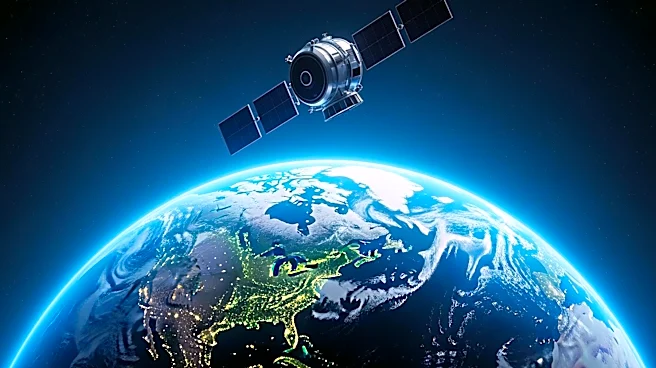
NASA has introduced the Early Career Investigator Program in Earth Science (ECIP) as part of its Research Opportunities in Space and Earth Sciences (ROSES) 2025 initiative. This program aims to support early-career scientists and engineers in conducting
innovative research in Earth System Science. The program encourages the development of scientific leadership and the implementation of the Earth Science to Action strategy. Notices of Intent for the program are due by May 18, 2026, with proposals due by June 17, 2026. NASA will host virtual informational sessions to provide further details about the program.
Why It's Important?
The ECIP is crucial for fostering the next generation of scientists and engineers in Earth Science, a field vital for understanding and addressing global environmental challenges. By supporting early-career researchers, NASA aims to cultivate new scientific leaders who can contribute to the advancement of Earth System Science. This initiative aligns with NASA's broader goals of promoting scientific innovation and ensuring the effective application of Earth Science research to real-world problems. The program's focus on early-career development is essential for sustaining a robust scientific community capable of tackling future challenges.
What's Next?
As the ECIP progresses, NASA will evaluate proposals and select projects that demonstrate potential for significant contributions to Earth Science. The program's success will depend on the ability of early-career researchers to leverage NASA's resources and expertise to advance their research. The outcomes of these projects could inform future policy decisions and contribute to a deeper understanding of Earth's systems. NASA's continued support for early-career development will be vital for maintaining the U.S.'s leadership in Earth Science research and addressing pressing environmental issues.