
What's Happening?
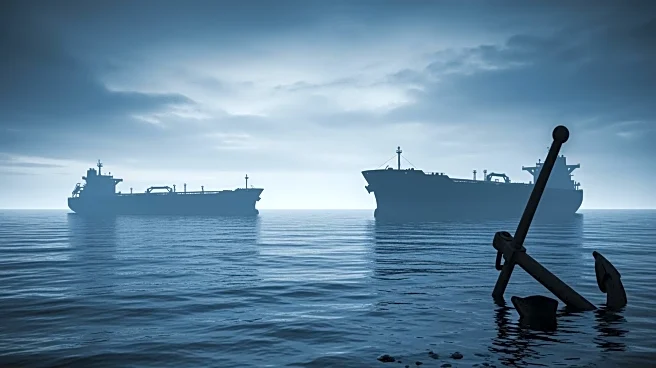
China has condemned the U.S. for its recent seizure of oil tankers as part of a blockade against Venezuela. The U.S. has intensified its military presence in the Caribbean, targeting Venezuelan oil exports
to pressure President Nicolás Maduro. The Trump administration claims these actions are necessary to combat a 'narco-terrorist' network, a charge Maduro denies. China's Foreign Ministry has accused the U.S. of violating international law and expressed support for Venezuela's right to engage in international trade. The situation has heightened tensions between the U.S. and China, with potential implications for global diplomatic relations.
Why It's Important?
The U.S. blockade on Venezuelan oil tankers is a significant geopolitical maneuver that could impact international relations, particularly with China, a major ally of Venezuela. China's criticism highlights the potential for increased diplomatic friction between the U.S. and other global powers. The blockade also raises questions about the legality of U.S. actions and their impact on international trade norms. Additionally, the situation could exacerbate Venezuela's economic crisis, leading to further humanitarian challenges and migration issues.
What's Next?
The U.S. is likely to continue its enforcement of the blockade, potentially leading to further diplomatic confrontations with China and other countries. Venezuela may seek to strengthen its alliances with nations opposed to U.S. actions, while the international community could call for dialogue to resolve the crisis. The situation may also prompt discussions on the legality and ethics of using economic sanctions and military force in international relations.