







What's Happening?
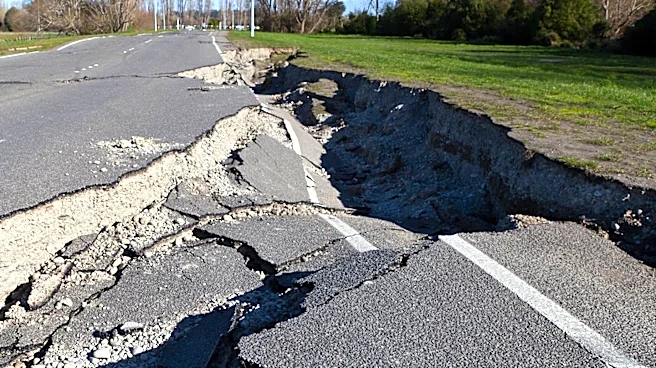
A 6.1 magnitude earthquake struck off the northwest coast of Cuba, approximately 65 miles west-northwest of Mantua, according to the U.S. Geological Survey. The tremors were felt across parts of South Florida, including Miami and Tampa, leading to the evacuation
of several buildings such as the Miami-Dade's Stephen P. Clark Government Center and the Dadeland Metrorail Station. The Miami Beach Fire Department reported minor tremors but assured there was no cause for alarm. The National Weather Service confirmed that no tsunami threat was expected from the earthquake. This event marks one of the largest earthquakes recorded in the Gulf of Mexico with modern instruments.
Why It's Important?
The earthquake's impact on South Florida highlights the region's vulnerability to seismic activity originating from the Gulf of Mexico. Although no significant injuries or property damage were reported, the event underscores the importance of emergency preparedness in areas not typically associated with earthquakes. The evacuation of key government buildings in Miami demonstrates the potential for disruption in urban centers. Additionally, the earthquake serves as a reminder of the geological activity in the region, which could have implications for infrastructure and public safety planning.
What's Next?
Authorities in Florida and Cuba will likely continue to monitor the situation for any aftershocks, although experts suggest these are unlikely to be felt in Florida. Emergency services in Miami and other affected areas will remain on alert to respond to any further incidents. The event may prompt a review of emergency response protocols and building codes in the region to better prepare for future seismic events.