







What's Happening?
Italy is contemplating withdrawing from a second EU-supported defense spending boost, potentially foregoing €27 billion in rearmament funds. Prime Minister Giorgia Meloni has communicated to EU Commission chief Ursula von der Leyen that Italy might decline
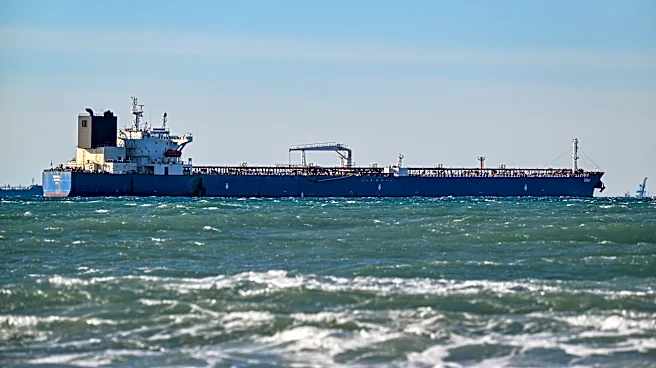
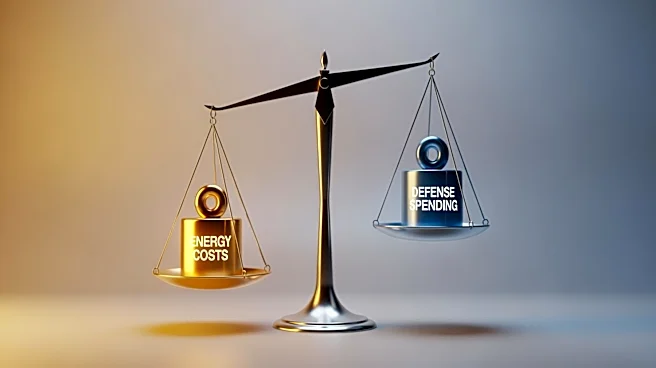
€14.9 billion in SAFE loans intended to elevate defense spending towards NATO's 5% GDP target. The decision is driven by a focus on addressing rising energy costs. Italy's defense minister, Guido Crosetto, has sought clarity from the finance ministry on the matter. Meloni's government is also pushing for the EU to allow the use of the National Escape Clause for energy spending, rather than defense, due to the economic impact of the Strait of Hormuz blockade.
Why It's Important?
Italy's potential shift in defense spending priorities highlights the broader economic challenges faced by European nations amid rising energy costs. The decision could impact Italy's defense capabilities and its commitments to NATO, especially as arms spending becomes less popular with voters. The move also reflects a strategic pivot towards addressing immediate economic pressures, which could influence other EU countries facing similar dilemmas. The outcome of Italy's decision could set a precedent for how EU member states balance defense obligations with domestic economic needs.
What's Next?
Italy's final decision on the SAFE loans and the use of the National Escape Clause is expected by the end of May. The outcome will be closely monitored by EU partners and NATO allies, as it could affect Italy's defense posture and its role within the alliance. Prime Minister Meloni will need to navigate domestic political pressures and international expectations, particularly ahead of the upcoming NATO summit in Turkey. The decision could also influence EU policy discussions on balancing defense spending with economic stability.