



What's Happening?
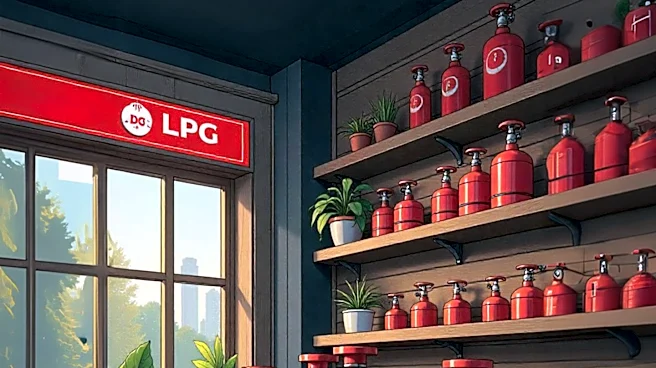
The Al-Brega Petroleum Marketing Company has acknowledged a temporary shortage of cooking gas in Libya's Jabal region. According to Ahmed Al-Masallati, spokesman for the company, the primary causes are disruptions in gas supplies and irregular arrivals
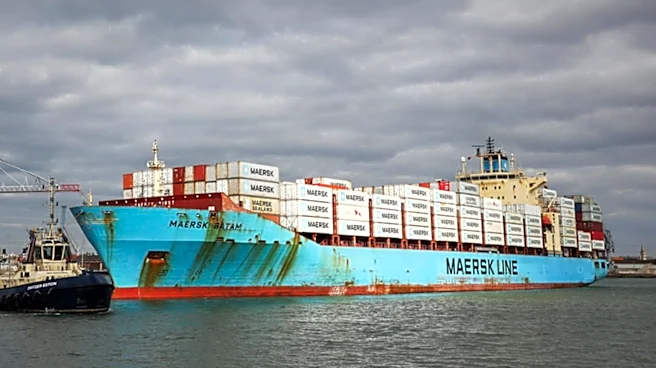
of tankers. Al-Masallati also pointed to illegal practices by some distributors who sell their allocated quotas on the parallel market, exacerbating the scarcity for citizens. Despite these challenges, the company has continued to distribute gas, with approximately 1,200 cylinders recently supplied to Zintan and 600 to Nalut. Operational restrictions and safety concerns related to gas production and tanker movements are also contributing to the irregular supply. The company is working to mitigate the issue and expects improvements with the arrival of a third tanker.
Why It's Important?
This cooking gas shortage is important because it directly impacts the daily lives and well-being of residents in the Jabal region, particularly during the winter when consumption increases. The disruption highlights vulnerabilities in Libya's supply chain and distribution network, which are critical for essential services. The accusation of distributors selling quotas on the parallel market points to underlying issues of corruption and lack of oversight, which can undermine public trust and create social unrest. Ensuring a stable supply of cooking gas is not just a matter of convenience but a basic necessity, and its scarcity can lead to economic hardship and reduced quality of life for affected communities. The situation underscores the need for robust infrastructure and effective governance in managing vital resources.
What's Next?
Al-Brega Petroleum Marketing Company anticipates an improvement in gas availability once a third tanker docks in the coming days, which should help alleviate the current shortage. The company is also planning to open an additional filling point in Jadu to increase operational and distribution capacity, alongside existing points in Zintan and Nalut. Al-Masallati has urged security and oversight authorities to intensify monitoring, protect cylinder distribution points, and better organize supply operations to prevent illegal sales and ensure equitable distribution. While a specific end date for the shortage could not be provided, the company emphasizes that stability in gas supply and more regular tanker arrivals are crucial for a lasting resolution.
Beyond the Headlines
The cooking gas crisis in the Jabal region reflects broader systemic challenges within Libya, including infrastructure deficiencies, security concerns, and governance issues. The reliance on tanker arrivals for essential supplies highlights the fragility of the country's logistics and the impact of external factors on internal stability. The problem of distributors diverting supplies to the parallel market is indicative of a wider issue of illicit economic activities that can thrive in environments with weak regulatory enforcement. Addressing this crisis effectively requires not only immediate logistical solutions but also long-term strategies to enhance supply chain resilience, combat corruption, and strengthen oversight mechanisms to ensure that essential resources reach all citizens fairly and consistently.