




What's Happening?
The Joliet Police Department has placed two employees, an officer and a public safety dispatcher, on paid administrative leave due to alleged misuse of the city's Flock Safety systems. The department announced the action in a Facebook post on Friday,
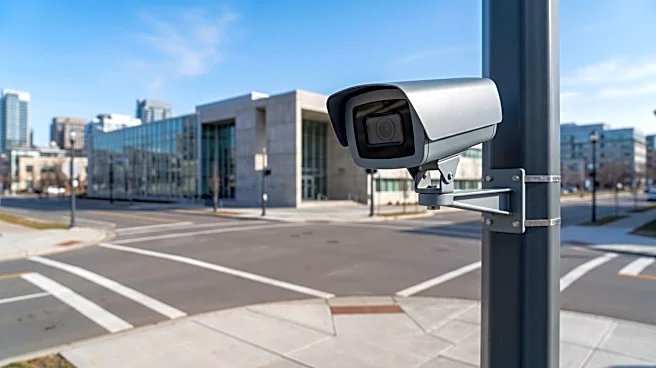
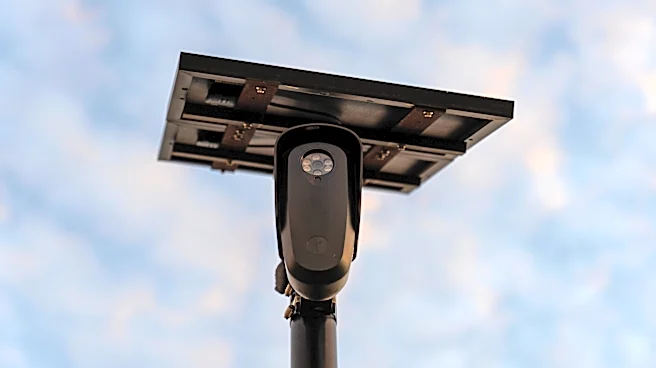
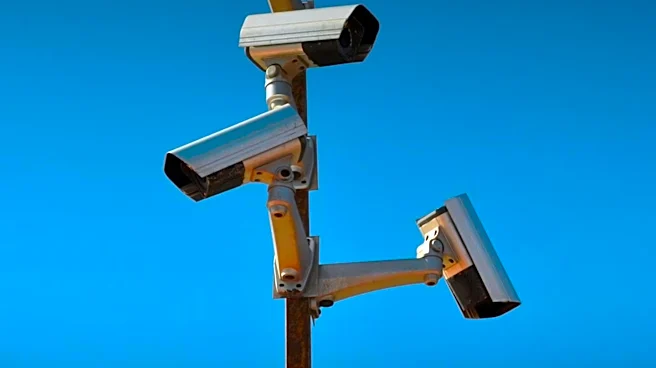
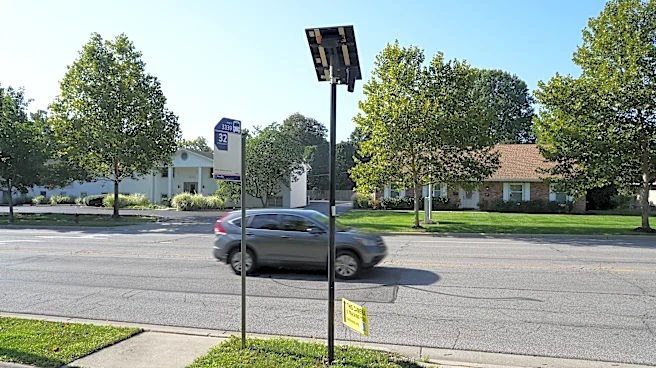
indicating that the discovery prompted an immediate referral of the matter to the City of Joliet Inspector General for investigation. Additionally, the Illinois State Police will conduct an independent review of the allegations. The Flock Safety system utilizes automated license plate readers that record not only license plates but also vehicle details such as make, model, color, dents, and bumper stickers, storing this information in a searchable database accessible to law enforcement and some private communities. The Joliet Police Department stated it would limit further comment to protect the integrity of the ongoing investigative process.
Why It's Important?
This incident is significant as it highlights growing concerns surrounding the use and potential misuse of surveillance technologies like automated license plate readers (ALPRs) by law enforcement. Flock cameras, in particular, have faced increasing scrutiny regarding privacy and tracking concerns. The alleged misuse by Joliet police employees underscores the need for robust policies, oversight, and accountability mechanisms to prevent unauthorized access or use of sensitive data collected by these systems. Such incidents can erode public trust in law enforcement and raise questions about civil liberties and data privacy. The involvement of both the City's Inspector General and the Illinois State Police indicates the seriousness with which these allegations are being treated and the commitment to an independent review.
What's Next?
The immediate next steps involve parallel investigations by the City of Joliet Inspector General and the Illinois State Police. These investigations will aim to determine the extent and nature of the alleged misuse, identify any policy violations, and recommend appropriate disciplinary actions or systemic changes. The Joliet Police Department has stated its commitment to reviewing and strengthening policies governing the use of this technology and enacting department-wide audits to reinforce appropriate use and accountability. Depending on the findings, there could be calls for increased transparency, stricter regulations on ALPR usage, and enhanced training for law enforcement personnel on data privacy and ethical technology use. The outcome of these investigations will likely influence future policies regarding surveillance technology in Joliet and potentially other municipalities.
Beyond the Headlines
The alleged misuse of the Flock Safety system in Joliet delves into broader societal debates about the balance between public safety and individual privacy in the digital age. The extensive data collection capabilities of ALPRs, which can track vehicle movements and patterns, raise fundamental questions about surveillance creep and the potential for abuse. This incident could serve as a case study for how law enforcement agencies manage powerful surveillance tools and the importance of internal controls and external oversight. It also highlights the ethical responsibilities of technology providers to ensure their systems are used appropriately and the ongoing challenge of adapting legal and ethical frameworks to keep pace with rapidly advancing surveillance technologies. The public's perception of police accountability and transparency will be significantly impacted by how this situation is handled.