


What's Happening?
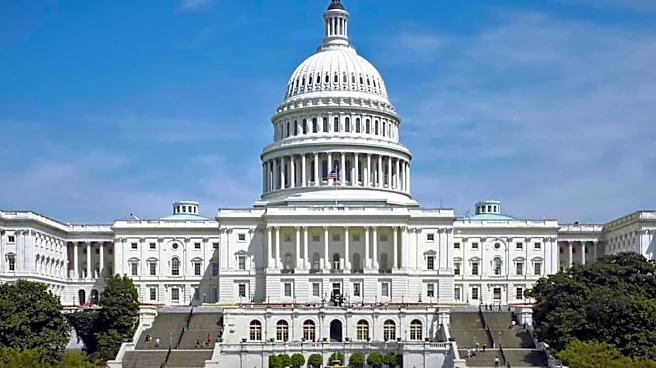
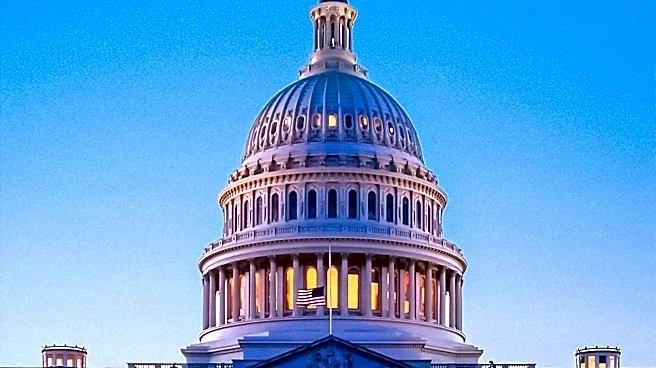
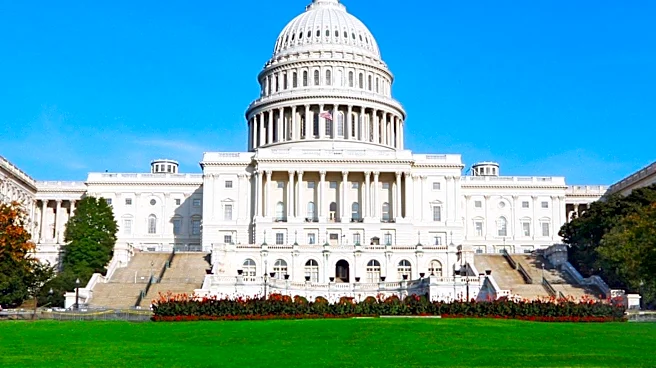
The U.S. House of Representatives has passed H.R. 979, the AM Radio for Every Vehicle Act, by voice vote. This legislation mandates that automakers include devices capable of receiving AM broadcast stations as standard equipment in all new passenger vehicles,
without any additional charge to consumers. U.S. Rep. Josh Gottheimer, D-N.J., who co-led an earlier version of the bill in May 2023, supported its passage. The bill was initially introduced after some automakers began removing AM radio from electric vehicles. Supporters, including the House Energy and Commerce Committee, emphasize AM radio's crucial role in distributing emergency information, especially when internet or cellular networks are disrupted. The New Jersey Broadcasters Association (NJBA) Executive Director Jordan Walton highlighted AM radio's century-long provision of music, sports, news, and entertainment, and its critical function as a lifeline during emergencies. The legislation now moves to the Senate for consideration.
Why It's Important?
This legislative action is significant for public safety and consumer access to information. AM radio has historically served as a vital communication channel during emergencies, such as natural disasters or widespread power outages, when other forms of communication like internet or cellular networks may fail. By ensuring its inclusion in all new vehicles, the bill aims to maintain a resilient emergency communication infrastructure for tens of millions of Americans. For automakers, this means a mandatory design and equipment standard, potentially impacting vehicle manufacturing costs and design choices. Consumers will benefit from continued access to a free and reliable source of information, particularly in critical situations. The National Association of Broadcasters has praised the House's decision, underscoring the industry's stake in preserving AM radio's reach and utility. The bill also addresses concerns that some automakers were removing AM radio to cut costs, which could have disproportionately affected communities reliant on this medium for news and emergency alerts.
What's Next?
The AM Radio for Every Vehicle Act will now proceed to the Senate for further consideration. If passed by the Senate and signed into law, the U.S. Department of Transportation will be directed to issue a rule requiring automakers to comply with the new mandate. This process will involve regulatory implementation and oversight to ensure that all new passenger vehicles sold in the U.S. are equipped with AM radio capabilities as standard. Automakers will need to adjust their production lines and vehicle designs to incorporate this feature, potentially leading to discussions about compliance timelines and technical specifications. Stakeholders, including consumer advocacy groups, emergency management agencies, and the broadcasting industry, will likely monitor the Senate's deliberations and the subsequent regulatory actions closely to ensure the effective implementation of the bill's objectives.
Beyond the Headlines
Beyond its immediate impact on vehicle features and emergency communications, this bill touches upon broader themes of technological evolution versus traditional infrastructure, and the role of government in preserving essential services. As vehicle technology advances, particularly with the rise of electric vehicles, there's a trend towards integrating more digital and internet-based services, sometimes at the expense of older technologies like AM radio. This legislation represents a deliberate choice to prioritize the proven reliability of AM radio for public safety over purely market-driven technological shifts. It highlights a recognition that while new technologies offer convenience, traditional methods can still be indispensable, especially in crisis scenarios. The debate also underscores the ongoing tension between industry autonomy in product design and public interest mandates, setting a precedent for how future technological integrations in vehicles might be regulated to serve broader societal needs.