










What's Happening?
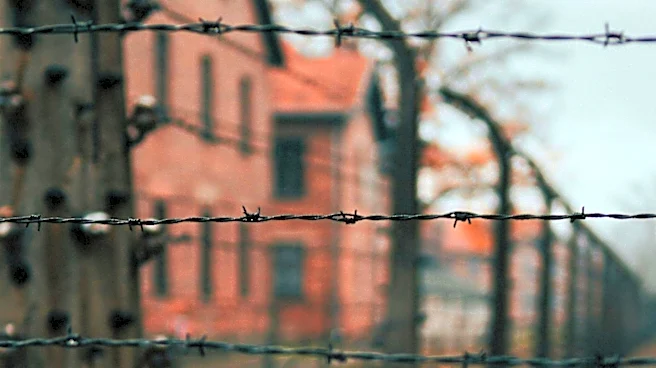
A new study from the Hebrew University of Jerusalem reveals that children of female Holocaust survivors are at a higher risk of developing schizophrenia. The research, published in the American Journal of Psychiatry, indicates that children born to mothers
who were over five years old during Nazi persecution are more than twice as likely to develop the disorder compared to those whose mothers did not experience the Holocaust. The study analyzed data from the Jerusalem Perinatal Study, tracking births and psychiatric outcomes over several decades.
Why It's Important?
This study sheds light on the long-term psychological impacts of trauma across generations, highlighting the potential for severe mental health disorders in the descendants of trauma survivors. Understanding these effects is crucial for developing interventions and support systems for affected families. The findings also underscore the importance of addressing the mental health needs of populations exposed to severe trauma, both historically and in contemporary conflict zones.
Beyond the Headlines
The research suggests that trauma experienced by parents can have biological and environmental impacts on their children, potentially through epigenetic changes or altered maternal environments. These insights could inform future studies on the intergenerational transmission of trauma and its effects on mental health. The study also emphasizes the need for public health strategies to mitigate the long-term consequences of trauma and promote mental well-being in affected communities.