






What's Happening?
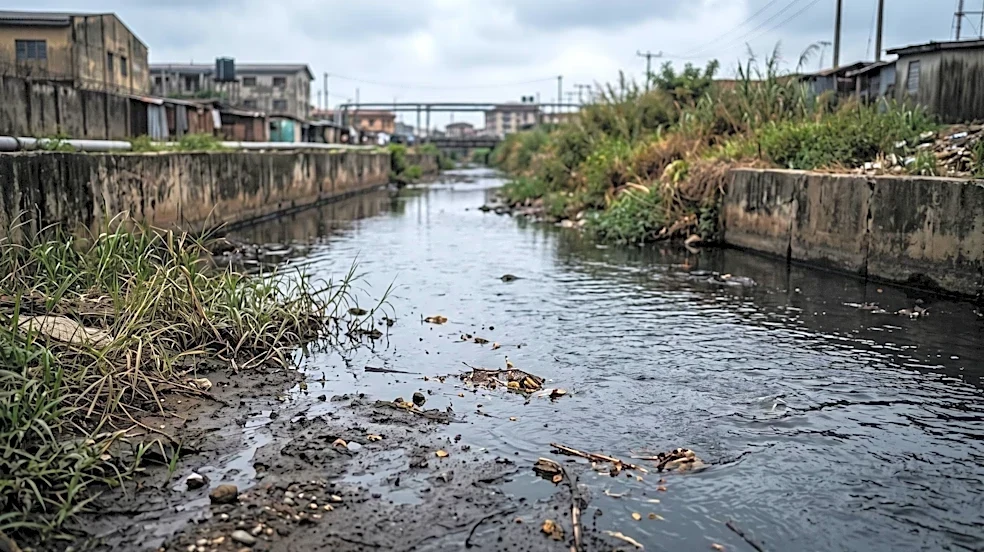
A new study published in Scientific Reports has revealed a strong association between poor sanitation and high levels of antibiotic-resistant bacteria in urban streams in Ilorin, Nigeria. Researchers analyzed 247 bacterial isolates from six streams, finding
that between 43% and 68% were resistant to multiple antibiotics. Resistance to ampicillin was particularly prevalent, ranging from 64% to 89% across sampling sites, with the blaTEM resistance gene detected in 58% to 82% of screened isolates. A survey of 180 households further supported this link, showing a significant correlation between sanitation quality and five measures of antimicrobial resistance. While the researchers caution that the findings are exploratory and do not definitively establish causation, they emphasize the need for investment in water, sanitation, and hygiene (WASH) services to combat antimicrobial resistance (AMR) under a 'One Health' approach.
Why It's Important?
While this study focuses on Nigeria, its findings have significant implications for global public health, including the U.S. Antibiotic resistance is a global threat, and resistant bacteria can travel across borders through various means, including international travel, trade, and migratory animals. The presence of high levels of antibiotic-resistant bacteria in environmental sources, particularly those linked to poor sanitation, creates reservoirs for resistance genes that can spread to human pathogens. This exacerbates the global challenge of antimicrobial resistance, making it harder to treat infections worldwide. For the U.S., this means that even with robust domestic efforts, the threat of imported resistant strains remains, underscoring the need for international cooperation and investment in global health infrastructure, especially in areas with high AMR burdens. It highlights that public health is interconnected globally, and issues in one region can quickly become issues elsewhere.
What's Next?
The study's authors recommend increased investment in water, sanitation, and hygiene (WASH) services as a crucial step in tackling antimicrobial resistance, particularly in regions like Ilorin, Nigeria. This would involve improving infrastructure for waste management, providing access to clean water, and promoting better hygiene practices. Future research should aim to establish a more definitive causal link between poor sanitation and antibiotic resistance, potentially through longitudinal studies and more controlled environmental analyses. International organizations and governments, including those in the U.S., may consider supporting such initiatives as part of broader global health security strategies. Implementing a 'One Health' approach, which recognizes the interconnectedness of human, animal, and environmental health, will be vital in developing comprehensive and sustainable solutions to combat AMR.
Beyond the Headlines
The study underscores a critical, often overlooked, dimension of the antibiotic resistance crisis: the environmental pathway. Beyond clinical overuse, the discharge of untreated waste containing antibiotics and resistant bacteria into natural water bodies creates 'hotspots' for the evolution and spread of resistance. This raises ethical questions about environmental justice and the disproportionate impact of inadequate infrastructure on vulnerable communities. Culturally, it highlights the need for global awareness and behavioral changes regarding sanitation and waste disposal. The 'One Health' framework becomes not just a scientific concept but a moral imperative, emphasizing that protecting human health requires safeguarding the health of ecosystems. Addressing this environmental aspect of AMR demands a holistic societal transformation, integrating public health, environmental policy, and urban planning.