



What's Happening?
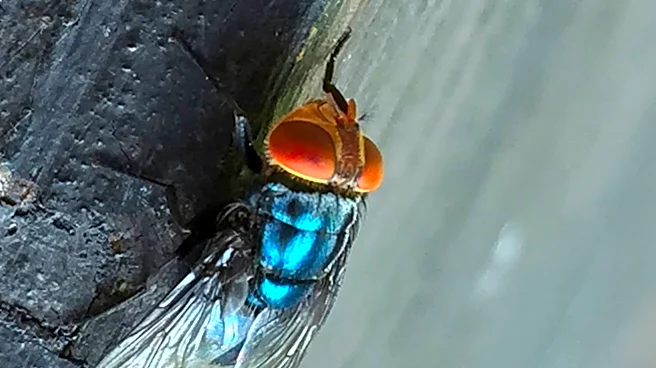
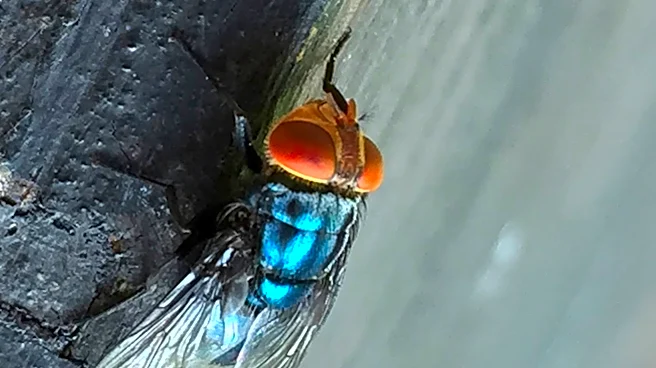
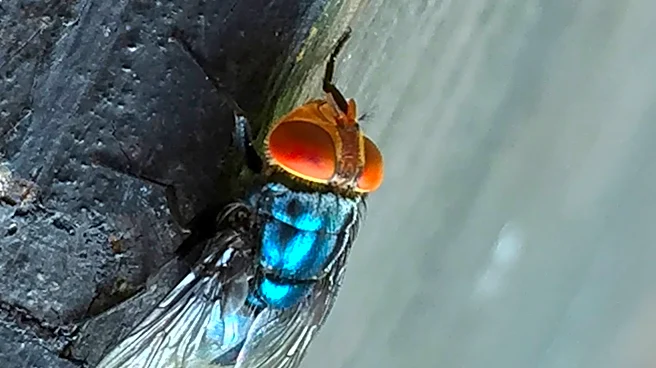
Kentucky Agriculture Commissioner Jonathan Shell has issued a statement concerning the New World screwworm, a pest that poses a significant threat to livestock and wildlife. According to the U.S. Department of Agriculture (USDA), while the screwworm is a serious
pest, it does not currently pose a food safety issue, and the U.S. food supply remains safe. The USDA has assessed the risk to animals and people in the United States as very low. Commissioner Shell emphasized that the Kentucky Department of Agriculture (KDA) is actively collaborating with industry partners and state and federal agencies to monitor the situation. The KDA's Office of State Veterinarian is focused on protecting the health and well-being of the state's livestock, maintaining open communication with partners, and preparing to take necessary actions if required.
Why It's Important?
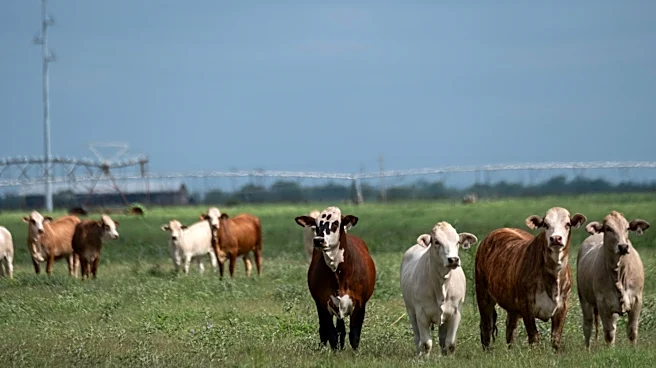
The emergence of the New World screwworm in the U.S. is significant due to its potential impact on the livestock industry, which is a crucial component of the agricultural economy. The pest can cause severe damage to livestock, leading to economic losses for farmers and affecting the supply chain. By addressing the threat early, the KDA aims to prevent widespread infestations that could disrupt the agricultural sector. The proactive measures taken by the KDA and other agencies are vital in safeguarding the livestock industry, ensuring economic stability, and maintaining consumer confidence in the safety of the food supply.
What's Next?
The KDA will continue to monitor the situation closely, working with federal and state agencies to track any developments related to the screwworm. They are prepared to implement additional measures if the threat level increases. Ongoing communication with industry partners will be crucial in coordinating efforts to prevent the spread of the pest. The USDA and other relevant bodies may also issue further guidelines or restrictions to manage the situation effectively. Stakeholders in the livestock industry will need to stay informed and adhere to any new protocols to mitigate risks.