






What's Happening?
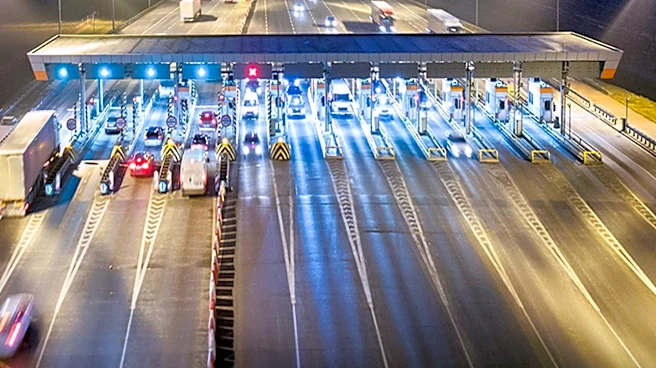
The Tennessee Transportation Modernization Board has unanimously selected DriveTN, a consortium of six companies, to fund and construct new toll lanes from southeast Nashville to Murfreesboro. This decision is part of a larger project that will also include
portions of I-40 east of downtown and I-440 south of downtown Nashville. DriveTN secured the bid by agreeing to pay the state nearly $25 billion over a 50-year contract, including an upfront payment of $1.5 billion. The group will invest $9.2 billion to design, construct, operate, and maintain these 'choice' lanes. Governor Bill Lee lauded the proposal as the nation's largest and most valuable 'choice' lane road-building project, signaling a new approach to highway construction in Tennessee. The project is expected to commence in 2027, with completion anticipated within eight years, though some sections may open sooner. The state legislature passed the Transportation Modernization Act in 2023, which established the framework for this new funding and construction mechanism for major interstate projects over the next 25 years. A new board of lawmakers and officials has been created via executive order to oversee these toll-lane projects.
Why It's Important?
This project represents a significant shift in how Tennessee funds and develops its transportation infrastructure, moving towards a public-private partnership model that leverages private investment for large-scale road construction. The $25 billion in concession payments over 50 years provides a substantial financial injection for the state, intended to improve the project's corridor and provide statewide transportation funding. This model places the financial risk of collecting sufficient road-use fees on the private consortium, rather than directly on taxpayers. However, the initiative has drawn criticism from some residents and lawmakers, who question the effectiveness of toll lanes in reducing traffic congestion and express concerns about the impact on homes and neighborhoods. State Representative John Ray Clemmons, a Nashville Democrat, called the initiative a 'boondoggle,' arguing that Nashville residents prefer passenger rail and public transit over toll lanes. The project's long construction timeline, potentially spanning nearly a decade, also raises concerns for local residents regarding prolonged disruptions and property impacts.
What's Next?
Construction on the new toll lanes is slated to begin in 2027, with an estimated completion time of up to eight years, although some segments may become operational earlier. The newly established board of lawmakers and officials will oversee these toll-lane projects, including potential future extensions of 'choice' lanes through Murfreesboro along I-24 and part of I-840, farther out I-40 toward Lebanon, and from downtown Nashville up the I-65/24 corridor. These additional segments will require further negotiations. Officials have indicated that the plan aims to minimize the number of homes that will need to be demolished, with specific efforts to avoid key locations like the Pan-Asia Supermarket and Noble Place Townhomes. The exact fees for using the toll lanes have not yet been determined but will depend on traffic volume and time of day. Public discourse and potential legal challenges regarding property acquisition and the overall efficacy of the toll lane system are likely to continue as the project progresses.
Beyond the Headlines
The Tennessee toll lanes project highlights a growing national trend where states are exploring innovative financing mechanisms, such as public-private partnerships and concession agreements, to address aging infrastructure and increasing transportation demands. This approach shifts the burden of upfront construction costs from public budgets to private entities, but it also introduces complex questions about long-term public access, equity, and the potential for private profit from public infrastructure. The debate surrounding this project in Tennessee reflects broader societal discussions about the future of transportation, balancing the need for improved infrastructure with concerns about environmental impact, urban planning, and equitable access. The emphasis on 'choice' lanes, where motorists pay for faster travel, also raises questions about socio-economic disparities in transportation access. The project's success or challenges could serve as a case study for other states considering similar large-scale infrastructure initiatives.