




What's Happening?
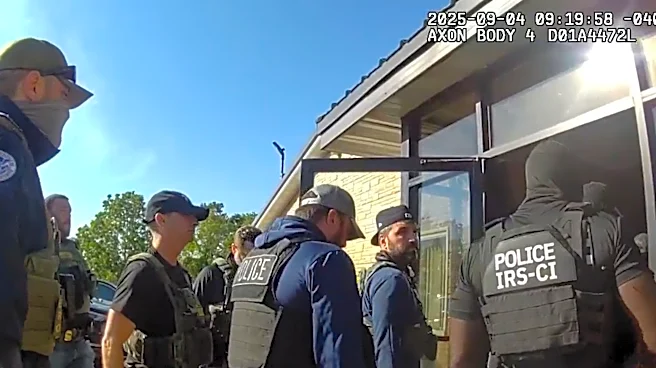
Federal agents conducted undercover surveillance operations at University Baptist Church in Minneapolis, targeting groups involved in protests against immigration enforcement. Court documents revealed that Homeland Security agents were present at the
church four times, with one instance involving an undercover agent inside the premises. This surveillance was part of an investigation into an organizer accused of training protesters to physically resist arrests. The church is affiliated with American Baptist Churches USA and the Alliance of Baptists, which had previously secured an injunction against most immigration enforcement activities at their member churches nationwide. These groups have now asked a federal judge to rule that Homeland Security violated that order and to disclose any other houses of worship subjected to similar surveillance. The government contends its operation did not violate the injunction, stating it was focused on investigating potential violence against federal officers rather than immigration enforcement.
Why It's Important?
This situation highlights escalating tensions between faith communities and federal authorities regarding immigration enforcement policies. The surveillance of a church, traditionally considered a sanctuary, raises significant concerns about religious freedom and the scope of government power. For many faith leaders and congregants, such actions represent a direct intrusion into sacred spaces and undermine their efforts to support vulnerable populations, including immigrants. The legal battle underscores a broader conflict over the right to protest and the sanctity of religious institutions, potentially setting precedents for how federal agencies interact with religious organizations during periods of social unrest. The outcome of this case could influence future government surveillance practices concerning religious groups and their involvement in social justice movements.
What's Next?
A ruling from the federal judge regarding the alleged violation of the injunction by Homeland Security is pending following a hearing held on September 4. The faith groups involved are seeking a declaration that the injunction was violated, instructions for agents regarding the order, and disclosure of any other churches subjected to surveillance. Concurrently, motions to dismiss charges against 15 individuals involved in impeding the immigration crackdown, some citing the University Baptist Church surveillance, are scheduled to be heard in late October. These legal proceedings will determine the immediate consequences for both the federal agencies involved and the protesters. The Department of Homeland Security has stated it does not comment on ongoing investigations or investigative methods.
Beyond the Headlines
The surveillance at University Baptist Church delves into profound ethical and legal questions concerning the balance between national security interests and constitutional protections, particularly freedom of religion and assembly. The government's justification that the surveillance was not immigration enforcement but an investigation into potential violence raises questions about how such distinctions are made and whether they adequately safeguard religious institutions. This incident could contribute to a chilling effect on faith-based activism, as congregations may become hesitant to offer their spaces for organizing or support activities if they fear federal monitoring. It also underscores a growing adversarial relationship between certain faith communities and the current administration's policies, potentially leading to long-term shifts in how religious organizations engage with political and social issues.