



What's Happening?
Garney Construction, a Kansas City-based national water and wastewater contractor, has commenced work on the South Hillsborough Pipeline, a significant infrastructure project on Florida's Gulf Coast. This $505.7 million initiative is the largest in the history
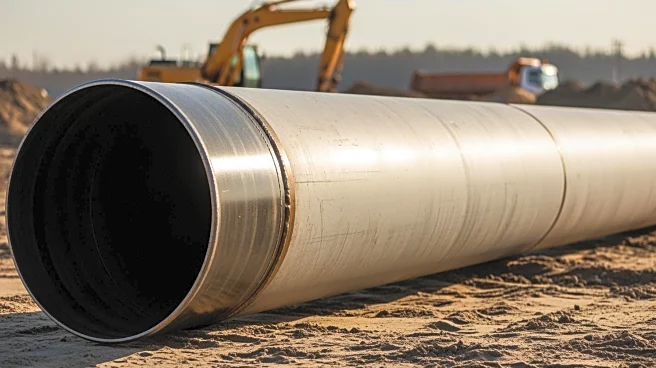
of Tampa Bay Water and aims to meet the demands of the region's rapid population growth. The project involves constructing a 26-mile potable water pipeline, which will connect to three water facilities. Garney is employing an innovative tunneling technology for the first time in North America, which includes a 2,300-foot curved microtunnel using a press fit connection system with steel pipe. This approach is designed to maintain structural integrity and precision, protecting surrounding utilities and infrastructure. The project is divided into two segments, with Garney overseeing both. Segment A involves extensive horizontal directional drilling and microtunneling, while Segment B will extend the pipeline to connect with Hillsborough County's future South County drinking water facility.
Why It's Important?
This project is crucial for supporting the Tampa Bay region's infrastructure as it experiences rapid population growth. By enhancing the area's water distribution capabilities, the pipeline will ensure a more resilient and reliable drinking water system. The use of advanced construction techniques not only sets a precedent for future projects in North America but also highlights the increasing demand for innovative solutions in water infrastructure. This demand is echoed by industry leaders like AECOM and Jacobs, who recognize the need for significant investment in traditional infrastructure, including water systems. The project also reflects broader trends in infrastructure development, driven by factors such as urban expansion and the data center boom, which are increasing the demand for robust water infrastructure.
What's Next?
Garney Construction plans to complete the South Hillsborough Pipeline by the end of 2028, with the final project completion expected in the first half of 2029. As the project progresses, it will likely attract attention from other regions facing similar infrastructure challenges. The successful implementation of the innovative tunneling technology could pave the way for its adoption in other large-scale infrastructure projects across North America. Additionally, the project's completion will expand Tampa Bay Water's regional distribution system, potentially serving as a model for other utilities looking to enhance their service capabilities in response to population growth.