






What's Happening?
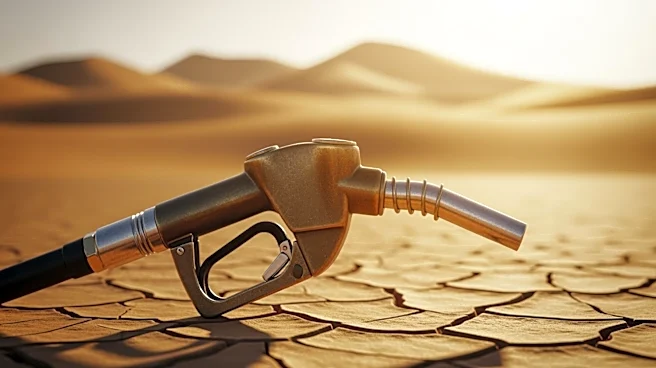
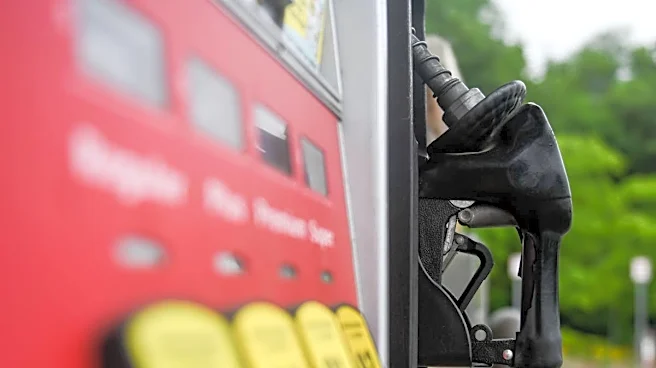
Gas prices in the United States have reached their highest levels in years, significantly impacting midterm swing districts. According to a report, inflation has accelerated to 4.2% year-over-year, with the energy index up 23.5%. This has led to millions
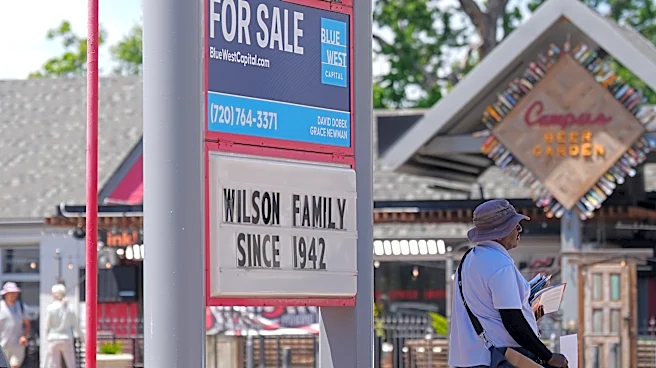
of voters in competitive House districts, particularly in the West, Mountain West, and Northeast, facing fuel costs well above the national average. The Bureau of Labor Statistics reported a 7% increase in gasoline prices in May alone. A cluster of 21 swing districts, from California to the Northeast, now represents the most expensive places to fill up, with prices ranging from $4.70 to over $6.00 per gallon. These districts are affected by high state fuel taxes, limited refining capacity, and supply disruptions due to geopolitical tensions, including the war in Iran and the closure of the Strait of Hormuz.
Why It's Important?
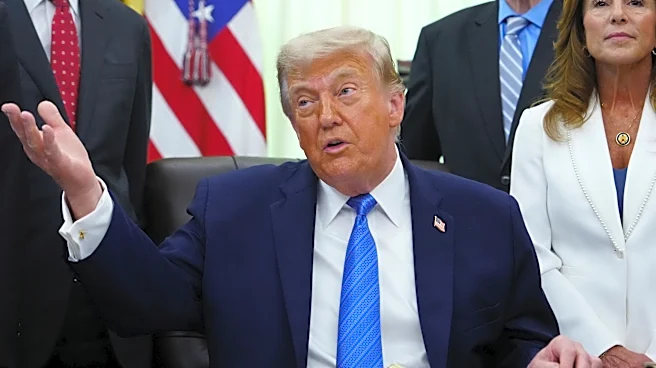
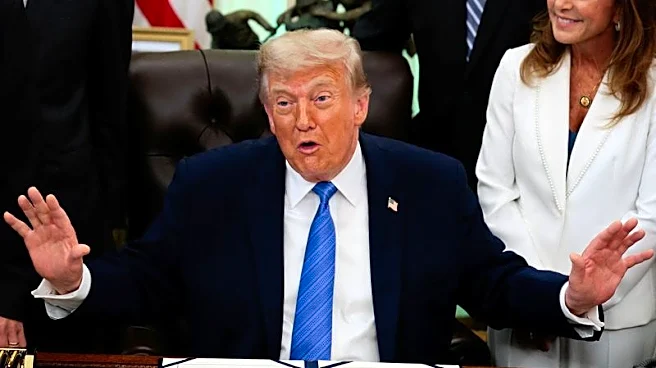
The surge in gas prices is a critical issue as it could influence voter sentiment in the upcoming midterm elections. High fuel costs are a significant burden on households, particularly in swing districts, and could sway economic perceptions. Both political parties are adjusting their strategies in response to the rising prices. Democrats are linking the issue to broader affordability concerns, while Republicans emphasize the need for lower prices, reminiscent of levels under President Trump. The ongoing conflict in Iran and its impact on global oil markets complicate these political narratives, as voters are highly sensitive to cost increases. The situation underscores the broader economic challenges facing the U.S., with energy prices driving a significant portion of inflation.
What's Next?
The future of gas prices remains uncertain, with potential relief dependent on geopolitical developments. If tensions ease and the Strait of Hormuz reopens permanently, analysts expect a moderation in headline inflation and a gradual decrease in fuel costs. However, the outlook is volatile, with retail prices likely to decline slowly even if crude prices fall. Federal interventions, such as expanded E15 availability and strategic petroleum reserve releases, may provide some relief but cannot fully counteract global disruptions. The political implications are significant, as both parties seek to address voter concerns ahead of the midterms.