
What's Happening?
Around 2.4 billion years ago, Earth's atmosphere underwent a significant change due to the activity of cyanobacteria, which released oxygen as a byproduct of photosynthesis. This event, known as the Great
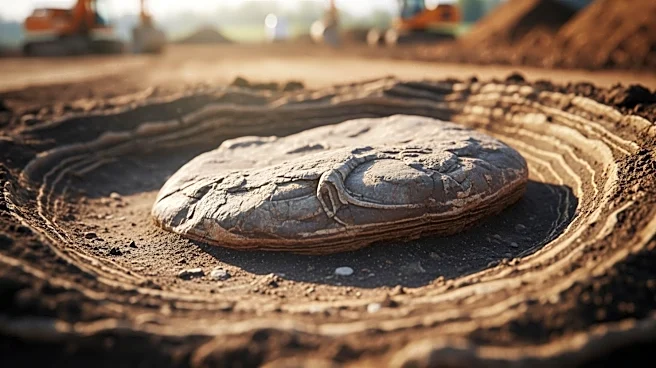
Oxidation Event, led to a mass extinction as the oxygen was toxic to much of the anaerobic life that dominated the planet at the time. The increase in oxygen also contributed to the Huronian glaciation, a series of ice ages that further impacted life on Earth. The evidence for this atmospheric change comes from sulfur isotopes and banded iron formations, which indicate the presence of oxygen in the atmosphere and oceans.
Why It's Important?
The Great Oxidation Event marks a pivotal moment in Earth's history, as it represents the first mass extinction caused by biological activity. This event highlights the profound impact that life can have on the planet's environment and climate. Understanding this event provides insights into the evolution of life on Earth and the development of the planet's atmosphere. It also underscores the interconnectedness of biological and geological processes, offering lessons for current environmental challenges. The ability of life to alter its environment has implications for the study of climate change and the potential for life on other planets.
Beyond the Headlines
The Great Oxidation Event illustrates the dual nature of oxygen as both a life-sustaining and life-threatening element. While it enabled the evolution of complex life forms, it also posed a significant challenge to early anaerobic organisms. This event serves as a reminder of the delicate balance required to maintain habitable conditions on Earth. The study of ancient extinctions can inform our understanding of current biodiversity loss and the resilience of ecosystems. Additionally, the event's impact on the climate through the reduction of methane highlights the complex interactions between atmospheric gases and global temperatures.