





What's Happening?
Plumas County, California, is actively pursuing bio-based development opportunities, leveraging its abundant supply of trees unsuitable for commercial lumber. This initiative has led to the creation of a biofuel development opportunity zone, which has received
an 'A' rating for biomass availability. The effort is spearheaded by the Plumas County Fire Safe Council and Plumas Corporation, aiming to attract new bio-based industries. The possibilities include electricity generation, firewood production, and materials for horticulture. Crescent Mills has been identified as the central hub for this zone, featuring the Crescent Mills Wood Utilization Campus, a remediated former lumber mill site with direct railway access, industrial zoning, and three-phase power. Jeff Greef, owner of Plumas Wood Fiber, has been a key figure in promoting biomass utilization, developing a horticultural substrate from wood fiber to replace imported peat moss in California agriculture. This local solution also contributes to wildfire mitigation by reducing forest biomass.
Why It's Important?
This development is significant for Plumas County and potentially for broader U.S. efforts in renewable energy and sustainable resource management. By utilizing non-commercial timber, the initiative addresses critical issues such as wildfire risk reduction, economic development in rural areas, and the creation of sustainable agricultural inputs. The 'A' rating for biomass availability signals to potential investors that the region has a reliable and substantial feedstock for bio-based industries, which could lead to job creation and economic diversification. The replacement of peat moss with local wood fiber offers an environmentally friendly alternative, reducing reliance on imported, greenhouse gas-intensive products. Furthermore, the project demonstrates a model for how communities can transform forest management challenges into economic opportunities, aligning with national goals for renewable energy and climate resilience.
What's Next?
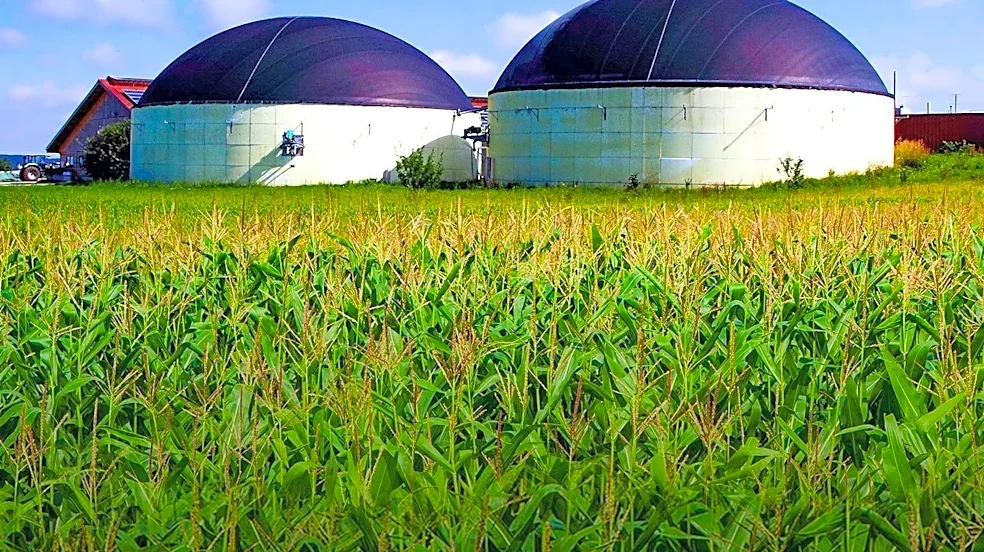
The biofuel development opportunity zone in Plumas County is poised for further growth and investment. West Biofuels is currently exploring the development of a 3-megawatt bioenergy facility in Quincy, which would convert wood chips into heat and electricity, potentially powering 3,000 homes. Such a facility could also support local businesses like Plumas Wood Fiber by providing electricity and wood chips. At the Crescent Mills site, Sierra Institute aims to host multiple wood utilization businesses, including Mosaic Timber's new cross-laminated timber facility, which is already in progress. The continued success of these initiatives will depend on securing further funding, overcoming logistical challenges related to biomass transportation, and ensuring a consistent supply of biomass from public lands. The community chipping program, managed by the Fire Safe Council, is also set to continue in 2027, further supporting biomass utilization efforts.
Beyond the Headlines
The Plumas County initiative highlights the complex interplay between environmental management, economic development, and community resilience. While the immediate benefits of biomass utilization are clear—wildfire risk reduction and economic growth—there are deeper ecological considerations. The long-term impact of biomass removal on soil quality and forest ecosystems is a critical aspect that requires ongoing research and careful management. The historical challenges faced by previous biomass projects, such as the closure of a biomass boiler in Quincy due to operational costs, underscore the need for sustainable economic models and robust infrastructure. This effort also touches upon the broader debate regarding public land management and the role of federal agencies like the U.S. Forest Service in supplying biomass. Balancing the need for forest health, wildfire prevention, and economic utilization of forest resources presents a continuous challenge that Plumas County is actively navigating.