





What's Happening?
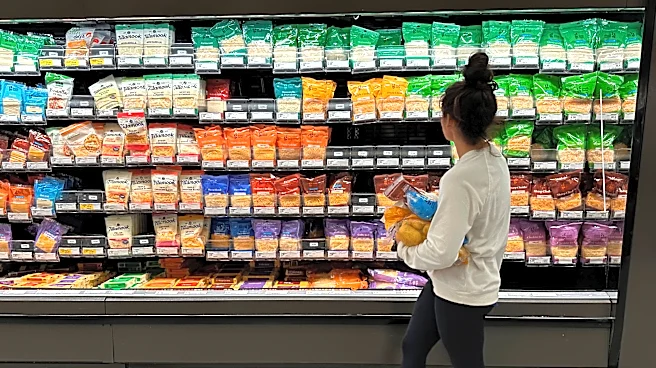
A recent report from the USDA indicates that grocery prices in the United States are on the rise, driven by inflation and tariffs. The report predicts an average increase of 2.9% for groceries and restaurant meals, with restaurant prices expected to rise by 3.6%.
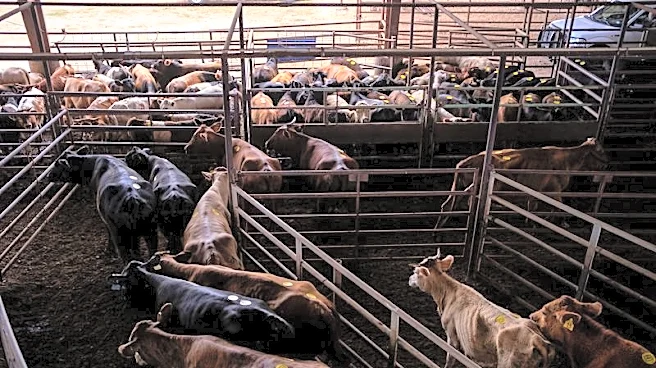
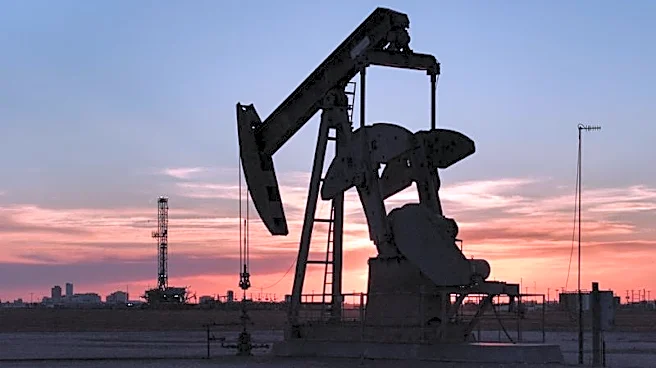
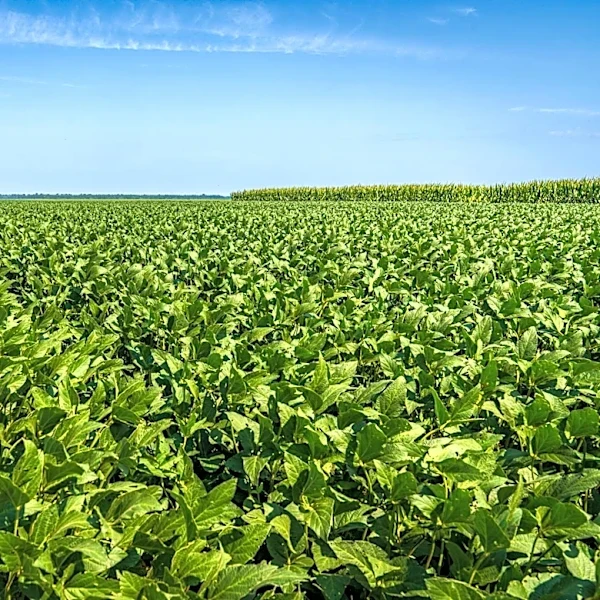
This increase is attributed to several factors, including President Trump's tariffs on key imports such as coffee, tea, cocoa, fish, seafood, fruits, and meat. The demand for beef and veal has led to a 6% price increase this year, with experts warning that beef prices could remain high until 2028. Additionally, supply chain demands and rising fuel costs are contributing to higher prices in the fish market. Fresh vegetables are also seeing price hikes due to labor shortages, fertilizer and energy costs, and weather disruptions. The USDA notes that sugary foods and nonalcoholic beverages are experiencing price increases, with coffee prices jumping 18.5% from the previous year.
Why It's Important?
The rising cost of groceries has significant implications for American consumers, particularly those with limited budgets. As prices increase, more households may struggle to afford basic necessities, potentially leading to increased food insecurity. The tariffs imposed by President Trump have exacerbated the situation by raising the cost of imported goods, affecting a wide range of products. This situation highlights the interconnectedness of global supply chains and the impact of international trade policies on domestic markets. The increase in grocery prices also reflects broader economic challenges, including inflation and supply chain disruptions, which could have long-term effects on consumer behavior and spending patterns.
What's Next?
As grocery prices continue to rise, consumers may need to adjust their shopping habits, seeking out discounts and alternative products to manage costs. Policymakers may face pressure to address the underlying causes of these price increases, such as tariffs and supply chain inefficiencies. Additionally, businesses in the food industry may need to explore strategies to mitigate the impact of rising costs, such as optimizing supply chains or investing in cost-saving technologies. The ongoing economic challenges could also prompt discussions about the need for policy interventions to support vulnerable populations affected by rising food prices.