




What's Happening?
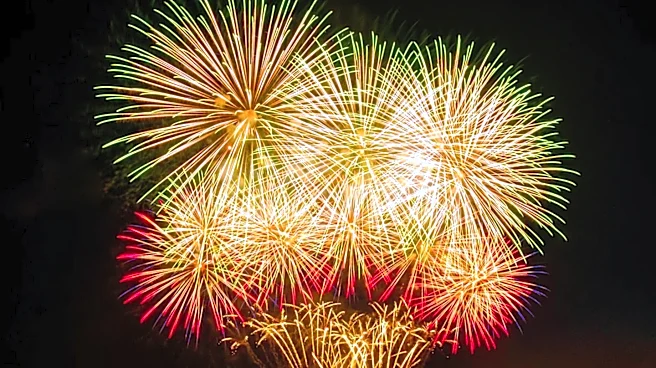
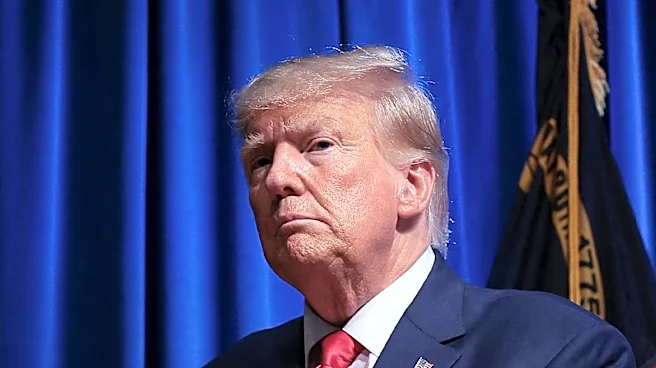
The July 4 fireworks display in Washington, D.C., touted by President Trump as the largest in history, will begin later than usual this year. Part of the Freedom 250 initiative, the event commemorates America's 250th anniversary. The fireworks, organized
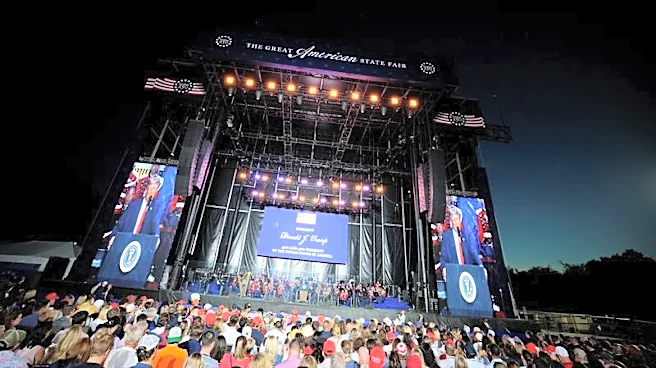
by Pyrotecnico, will be launched from 10 locations, including West Potomac Park and the Reflecting Pool. Over 850,000 fireworks are planned, surpassing the previous record of 810,000. The show, traditionally starting at 9 p.m., is expected to begin at 10:30 p.m. and last about 40 minutes. The event is part of a larger celebration featuring musical performances, military flyovers, and a 'Tribute to America' rally, with President Trump expected to speak.
Why It's Important?
The July 4 celebration in Washington, D.C., is significant as it marks a major milestone in American history, the 250th anniversary of the Declaration of Independence. The event, organized under the Freedom 250 initiative, reflects the administration's efforts to promote national pride and unity. The scale of the fireworks display and associated events highlights the importance placed on this commemoration. It also underscores the logistical and security challenges involved in hosting such a large-scale public event, designated as a National Special Security Event. The celebration serves as a platform for political messaging and public engagement, drawing attention to the administration's priorities and achievements.
What's Next?
As the event approaches, preparations will continue to ensure a successful and secure celebration. The U.S. Secret Service and local authorities will implement security measures, including TSA-style screenings for attendees. The event's success could influence future national celebrations and the administration's public image. Additionally, the Freedom 250 initiative will continue to organize events nationwide, promoting historical awareness and cultural engagement. The public's response to the celebration may impact future planning and funding for similar events, as well as discussions on the role of government in organizing national commemorations.