

What's Happening?
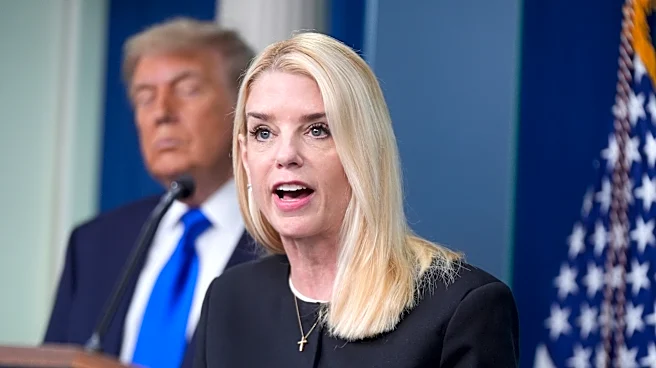
Former Attorney General Pam Bondi will not testify before the House Oversight and Government Reform Committee regarding the Justice Department's handling of Jeffrey Epstein's files. The committee had subpoenaed Bondi following bipartisan dissatisfaction
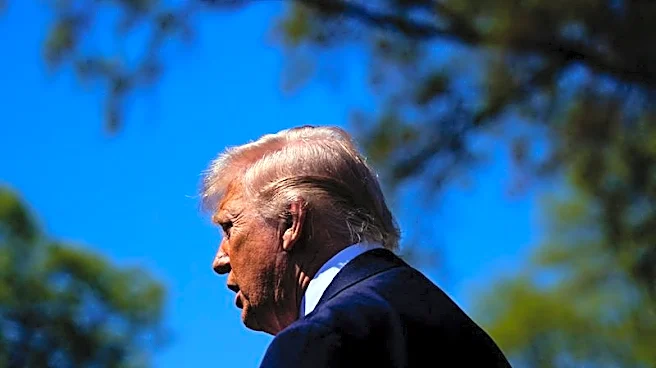
with the DOJ's release of Epstein-related documents. The DOJ cited President Trump's recent dismissal of Bondi as a reason for her non-appearance, arguing that she was subpoenaed in her official capacity, a role she no longer holds. Despite this, the committee plans to pursue her testimony, emphasizing the need for accountability and transparency in the DOJ's actions.
Why It's Important?
The refusal of Pam Bondi to testify highlights ongoing tensions between Congress and the Justice Department over the handling of sensitive information related to Jeffrey Epstein. This situation underscores the challenges in ensuring governmental transparency and accountability, particularly in high-profile cases involving prominent figures. The outcome of this dispute could impact public trust in governmental institutions and influence future legislative actions aimed at increasing oversight of federal agencies. Additionally, it reflects broader political dynamics, as both parties seek to address public concerns over the Epstein case.
What's Next?
The House Oversight Committee intends to contact Bondi's personal counsel to discuss scheduling her deposition, indicating that the issue is far from resolved. The committee may consider further actions, such as contempt charges, if Bondi continues to defy the subpoena. This ongoing conflict could lead to increased scrutiny of the DOJ's practices and potentially result in legislative changes to enhance transparency and accountability in similar cases.