






What's Happening?
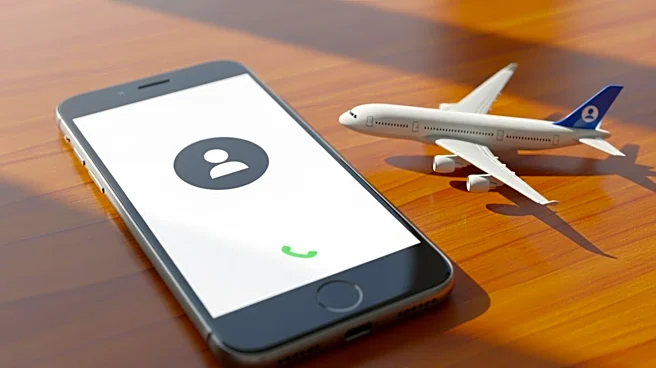
As the summer holiday season approaches in North America and Europe, travelers are being warned about an increase in scams targeting them while abroad. The consumer advocacy website advises against using Google to find airline phone numbers due to the risk
of encountering fake or spoofed numbers. Instead, travelers should use official airline apps or websites and save customer service numbers in advance. The rise in geopolitical turmoil has made it easier for scammers to exploit situations like sudden flight cancellations and border checks by impersonating airlines and government agencies. The use of AI and fake websites has made it increasingly difficult to distinguish real from fake information, posing a significant risk to travelers.
Why It's Important?
The warning is crucial as it highlights the growing sophistication of scams that exploit travelers' urgency and trust. With geopolitical instability leading to unexpected travel disruptions, scammers have more opportunities to deceive travelers. This situation underscores the importance of being vigilant and prepared, as falling victim to such scams can lead to financial loss and personal data breaches. The advice to save official contact numbers and avoid searching for them online is a preventive measure that can protect travelers from potential fraud. This development is significant for the travel industry, as it emphasizes the need for enhanced security measures and consumer awareness to combat these evolving threats.
What's Next?
Travelers are encouraged to take proactive steps by saving official airline and hotel contact numbers before their trips. This preparation can help mitigate the risk of falling victim to scams. Additionally, travelers should remain cautious of social media accounts that appear to offer customer service, as these can be easily set up by scammers. The travel industry may need to increase efforts to educate consumers about these risks and implement more robust verification processes to ensure the authenticity of their communications. As scams become more sophisticated, ongoing vigilance and adaptation will be necessary to protect travelers.