






What's Happening?
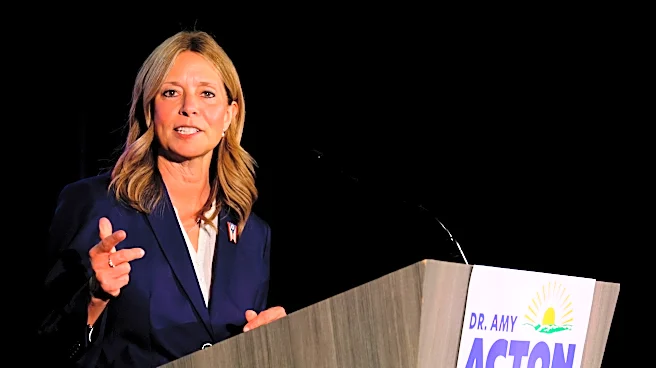
The Ohio Republican Party utilized its official account to promote unverified allegations made by far-right activist Laura Loomer against Democratic gubernatorial nominee Amy Acton. Loomer claimed an unnamed source reported Acton smelled of alcohol and
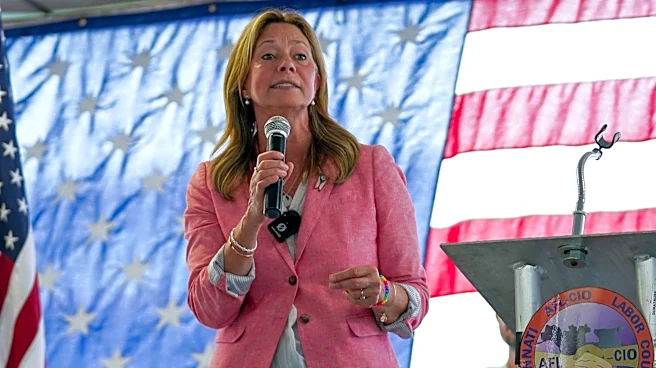
slurred her words at a campaign event. The Ohio GOP amplified these claims, stating, “Legitimate questions persist,” and credited Loomer for breaking previous stories. This amplification occurred shortly before an incident at the Canfield Fair where Patrick Havas, armed with a Taser and two pistols, forced his way toward Acton, knocking over fairgoers. Following Havas's arrest, Loomer dismissed the incident as a hoax, comparing Acton to Jussie Smollett and accusing Democrats of exaggerating the confrontation. Loomer continued to refer to Acton as “Drunk Amy” and questioned the sobriety of Acton in videos from the weekend, characterizing reports as “fake news.” This sequence of events has drawn scrutiny to the Ohio Republican Party's decision to elevate Loomer, who has a history of inflammatory statements and racist remarks.
Why It's Important?
The Ohio Republican Party's decision to amplify Laura Loomer's unverified claims and credit her as a source raises significant concerns about the spread of misinformation and the standards of political discourse. Loomer has a documented history of racist attacks against prominent Black women, including U.S. Reps. Ilhan Omar and Ayanna Pressley, and has publicly described herself as a “proud Islamophobe.” By promoting her content, the Ohio GOP risks legitimizing a figure widely condemned across the political spectrum for her extreme rhetoric and conspiracy theories. This move could further polarize the political landscape in Ohio, potentially influencing voter perceptions based on unsubstantiated allegations rather than factual reporting. The incident at the Canfield Fair, which Loomer subsequently dismissed as a hoax, highlights the potential real-world consequences of inflammatory rhetoric, as it contributes to an environment where political figures may face increased threats and hostility. The amplification of such figures by established political parties can erode public trust in political institutions and the media.
What's Next?
The Ohio Republican Party faces potential pressure to clarify its stance on Laura Loomer and her claims. It remains to be seen whether the party will continue to amplify Loomer's material in the Ohio governor’s race or if it will issue a statement regarding her recent racist remarks and her characterization of the Canfield Fair incident. Democratic strategists, such as Mike Nellis, have already linked months of rhetoric directed at Acton to the incident, calling for all Republicans to condemn such actions. The ongoing gubernatorial race in Ohio will likely see continued scrutiny of campaign tactics and the sources of information promoted by both parties. Law enforcement investigations into Patrick Havas's motive and actions at the Canfield Fair are ongoing, which may shed further light on the context of the incident. The broader implications for political campaigning in the state could include increased calls for civility and a reevaluation of how political parties vet and promote information from external figures.
Beyond the Headlines
This situation underscores a broader trend in U.S. politics where fringe figures and conspiracy theorists gain platforms through mainstream political channels, blurring the lines between legitimate political discourse and disinformation. The Ohio GOP's amplification of Loomer, despite her history of racist and inflammatory statements, suggests a strategic calculation to energize a segment of the base, even at the cost of mainstream credibility. This tactic can normalize extreme views and contribute to a more hostile political environment, where personal attacks and unverified allegations overshadow substantive policy debates. Ethically, it raises questions about the responsibility of political parties in vetting information and sources they promote. Legally, while freedom of speech protects Loomer's expressions, the amplification by a political party could be seen as endorsing or legitimizing potentially harmful narratives. Culturally, it reflects a deepening divide where partisan loyalty can override concerns about accuracy and civility, potentially leading to long-term erosion of democratic norms and public trust.