

What's Happening?
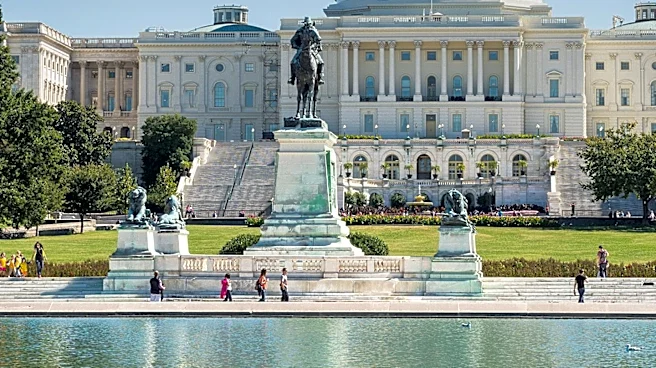
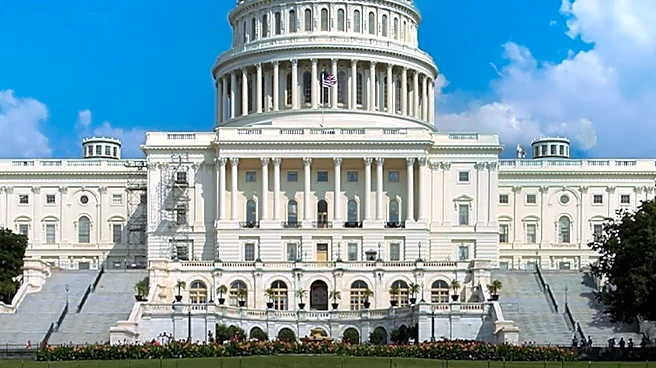
The House of Representatives has overwhelmingly passed H.R. 9600, known as the Common Sense 250 Act, which directs the Secretary of the Interior to place an authorized monument honoring Thomas Paine in Area 1 of the National Mall. This area is specifically
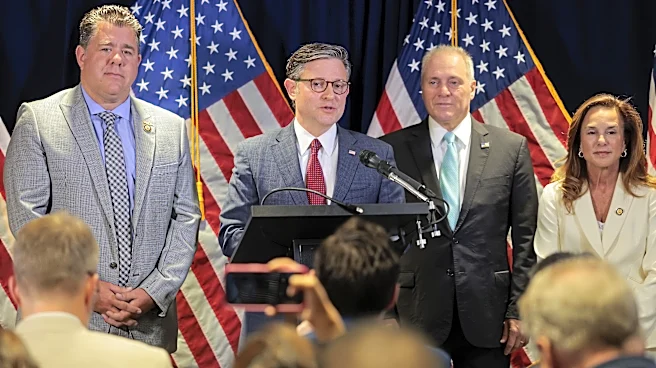
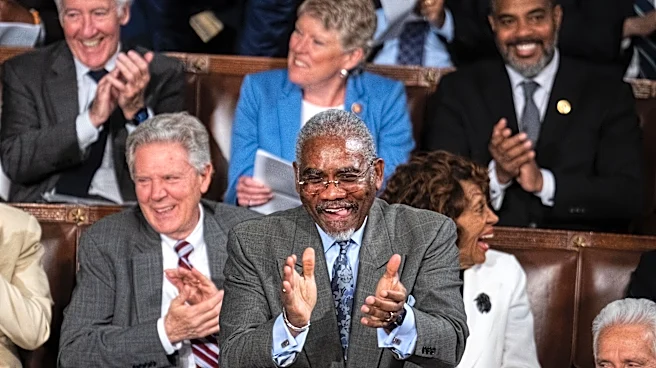
reserved for commemorative works of preeminent historical and lasting significance to the United States. The bill, introduced by Rep. Jamie Raskin (D-MD) with Rep. Victoria Spartz (R-IN) as its sole original cosponsor, addresses the location of an already-authorized memorial rather than creating a new one. The Thomas Paine Memorial Association plans to fund the construction through private donations, ensuring no federal funds are used for its construction or maintenance. The House vote saw strong bipartisan support, with 202 Democrats and 163 Republicans voting in favor, while 36 Republicans voted against it. The bill was reported out of committee by unanimous consent.
Why It's Important?
The passage of the Common Sense 250 Act by the House is significant as it moves closer to establishing a prominent memorial for Thomas Paine, a pivotal figure in the American Revolution, on the National Mall. Placing the memorial in Area 1 signifies a high level of national recognition for Paine's contributions, particularly his influential work, 'Common Sense,' which galvanized support for American independence. This bipartisan effort underscores a shared appreciation for foundational American principles and historical figures, demonstrating that common ground can be found across political divides, as noted by Rep. Spartz. For historians and advocates of Paine's legacy, this represents a long-awaited acknowledgment. The private funding model for the memorial also sets a precedent for how significant national monuments can be realized without burdening taxpayers, potentially encouraging similar initiatives for other historical figures or events.
What's Next?
Following its passage in the House, the Common Sense 250 Act will now proceed to the Senate for consideration. The Senate will need to vote on the bill to approve the proposed location for the Thomas Paine memorial on the National Mall. Given the overwhelming bipartisan support it received in the House, there is a strong likelihood of its passage in the Senate. If the Senate approves the bill, it will then be sent to the President for signature to become law. Once enacted, the Secretary of the Interior will be directed to facilitate the placement of the monument in Area 1. The Thomas Paine Memorial Association will then move forward with its plans to fund and construct the memorial using private donations, bringing a long-standing effort to honor Paine to fruition.
Beyond the Headlines
The debate and eventual passage of the bill to place a Thomas Paine memorial on the National Mall delve into deeper questions about historical memory, national identity, and the figures we choose to venerate in public spaces. Thomas Paine, a controversial figure in his time due to his deistic views and critiques of organized religion, represents the radical intellectual currents that fueled the American Revolution. His inclusion on the National Mall, a space typically reserved for more universally accepted national heroes, could spark renewed interest in the complexities of the founding era and the diverse philosophical underpinnings of the United States. This development also highlights the ongoing effort to ensure that the National Mall reflects a comprehensive and nuanced understanding of American history, potentially paving the way for greater recognition of other overlooked or controversial figures who contributed significantly to the nation's development. The bipartisan nature of this bill, despite Paine's historical controversies, suggests a growing consensus on the importance of his intellectual legacy.