






What's Happening?
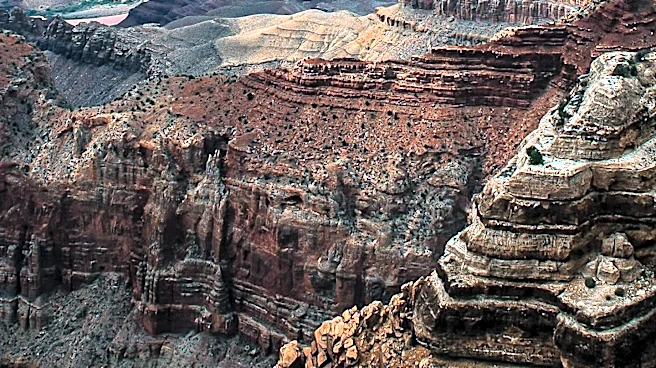
Flash flooding has caused significant damage to the Transcanyon Waterline, the only pipeline supplying water to Grand Canyon National Park. Officials estimate that approximately 40% of the 12.5-mile pipeline may be damaged, with Deputy Superintendent
Brian Drapeaux suggesting miles could be destroyed. This critical infrastructure, which transports water from the South Rim to the Colorado River and then towards the North Rim, has experienced over 85 breaks since 2010. The National Park Service is already engaged in a $200 million project, initiated in 2023, to replace and upgrade the aging waterline. This ongoing project includes replacing pipeline sections, constructing helicopter pads, and relocating water intake points. The current damage has necessitated severe water conservation measures on the South Rim, such as shorter showers and limited toilet flushing, and has led to the halting of overnight accommodations to preserve water for essential services like emergency response and medical facilities.
Why It's Important?
The damage to the Transcanyon Waterline underscores the critical vulnerability of essential infrastructure in remote and environmentally sensitive areas, particularly when confronted with extreme weather events. Grand Canyon National Park, a major U.S. tourist destination, relies entirely on this single pipeline for its water supply, impacting millions of annual visitors and year-round operations. The disruption highlights the broader challenge of maintaining and upgrading aging infrastructure across the U.S., especially in locations where repairs are complex and costly due to difficult terrain and limited access, often requiring specialized equipment like helicopters. The incident also brings to light the increasing frequency and intensity of extreme weather, which can exacerbate existing infrastructure weaknesses and lead to significant operational and economic consequences for vital public services and tourism-dependent regions.
What's Next?
A full assessment of the damage to the Transcanyon Waterline is currently underway to determine the exact extent of the destruction. Park officials will continue to implement and enforce water conservation measures on the South Rim, and overnight accommodations will remain halted until the water supply can be stabilized. The ongoing $200 million replacement project for the waterline, which began in 2023, will likely be re-evaluated and potentially accelerated or modified in light of this new damage. Engineers had already selected flexible steel for the replacement pipeline to enhance durability and account for logistical challenges, and this incident may reinforce the need for resilient materials and construction methods. The National Park Service will need to secure additional funding or reallocate existing resources to address the immediate repairs and potentially expedite the long-term upgrade project.
Beyond the Headlines
This incident at the Grand Canyon extends beyond immediate infrastructure repair, touching upon broader themes of climate resilience, sustainable tourism, and the long-term management of national parks. The vulnerability of a single water source for such a significant national treasure raises questions about contingency planning and diversification of essential services in remote, high-traffic areas. It also highlights the ethical considerations of balancing visitor access with environmental preservation and the strain placed on natural resources by large-scale tourism. The event could prompt a re-evaluation of infrastructure investment priorities in national parks, emphasizing the need for proactive measures against climate change impacts rather than reactive repairs. Furthermore, it may influence public discourse on the true cost of maintaining natural wonders and the role of federal funding in ensuring their operational integrity and visitor safety amidst evolving environmental challenges.