




What's Happening?
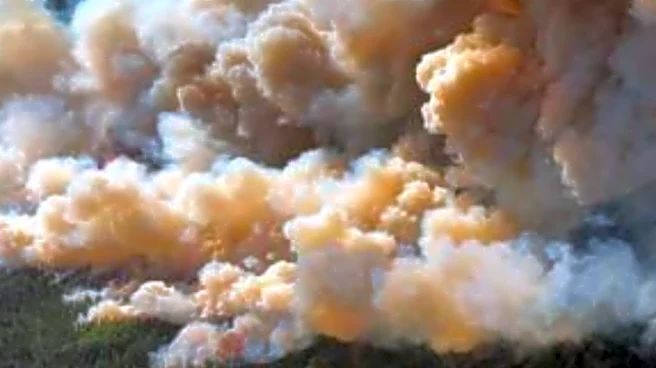
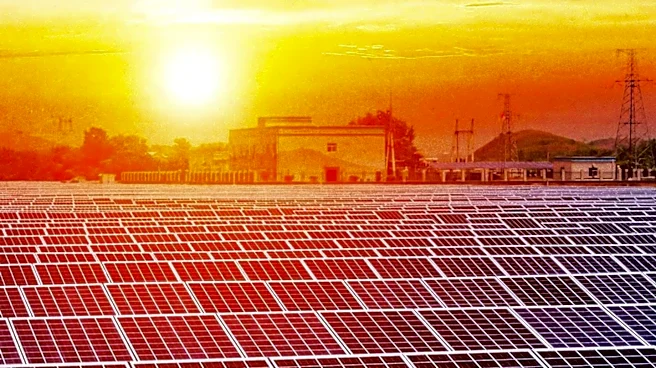
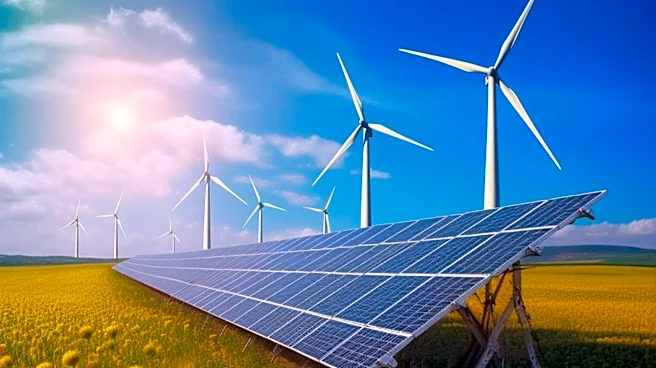
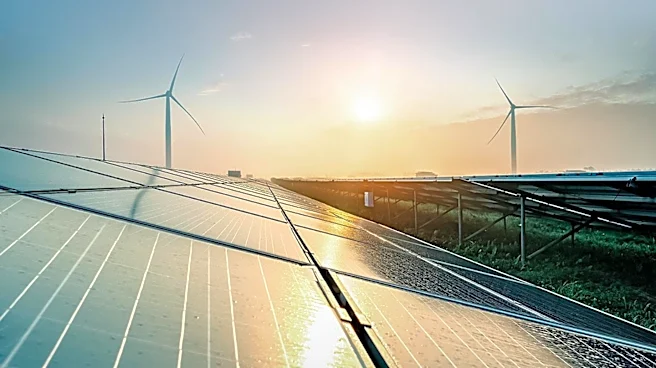
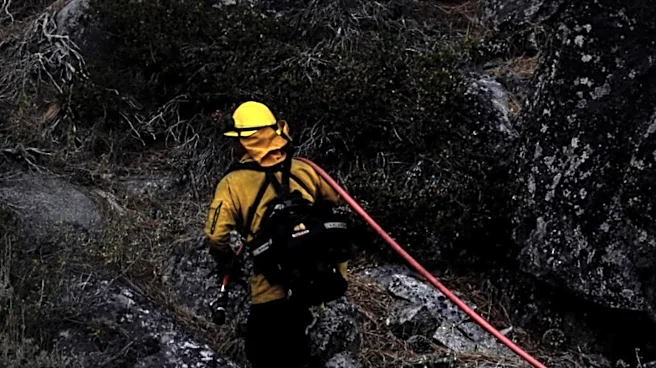
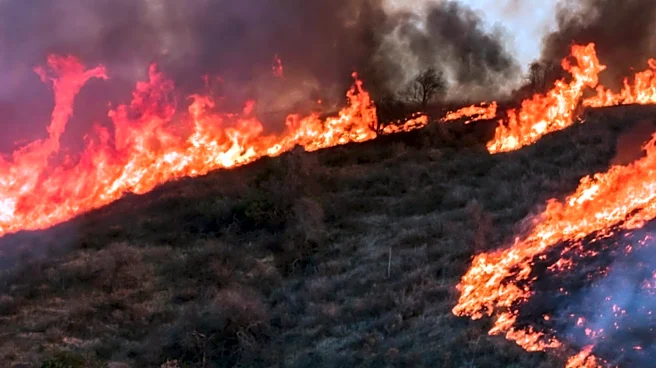
Wildfires in the American West are increasingly impacting the power sector, particularly as the U.S. grid becomes more reliant on solar energy. Smoke from wildfires reduces solar radiation, affecting solar power generation and complicating grid management.
This is particularly challenging during periods of high electricity demand, such as heatwaves, when solar output is crucial. The National Laboratory of the Rockies has found that smoke-related losses can influence electricity market outcomes and reserve requirements. As the grid transitions to renewable energy, the unpredictability of wildfire smoke adds a new layer of complexity to power system operations.
Why It's Important?
The growing reliance on solar energy in the U.S. makes the power grid more vulnerable to disruptions caused by wildfire smoke. This can lead to reduced power generation and increased operational challenges for grid operators. The need for additional reserves to maintain reliability during smoke events can drive up electricity costs and affect market stability. As the U.S. continues its energy transition, addressing the impact of wildfires on renewable energy infrastructure is crucial to ensuring a stable and reliable power supply. The situation underscores the need for improved forecasting and grid management strategies to mitigate the effects of smoke on solar power generation.
Beyond the Headlines
The geographical spread of wildfire smoke, which now affects regions far from the fires themselves, highlights the interconnectedness of environmental and energy challenges. As smoke becomes a continental issue, it emphasizes the need for a coordinated response across states and regions. The situation also raises questions about the resilience of the U.S. energy infrastructure in the face of climate-driven events. Developing adaptive strategies to manage the impact of wildfires on the power sector will be essential for maintaining energy security and supporting the transition to a renewable energy future.