





What's Happening?
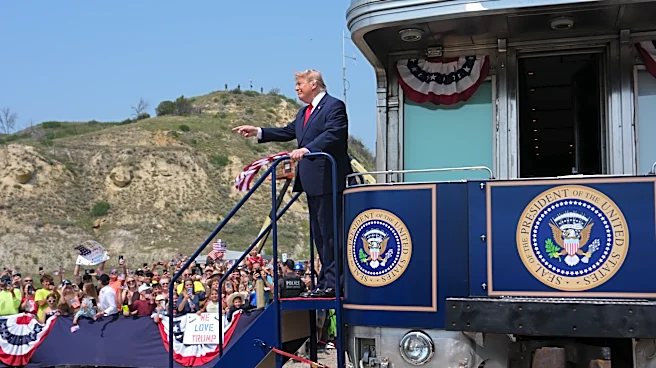
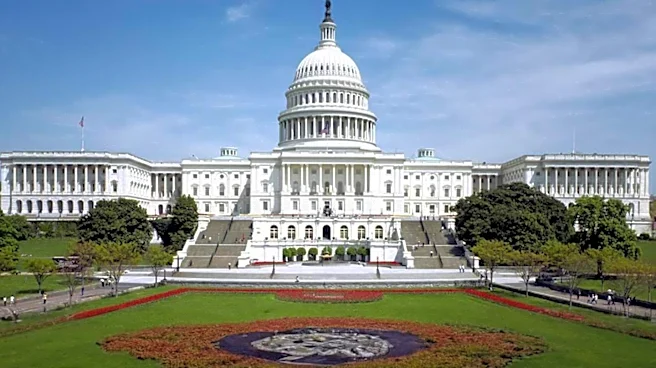
President Donald Trump has embarked on an extensive makeover of Washington, D.C., driven by his dissatisfaction with the city's state during a 2023 court visit. This initiative, which began after he noticed urban decay and homelessness, has led to significant
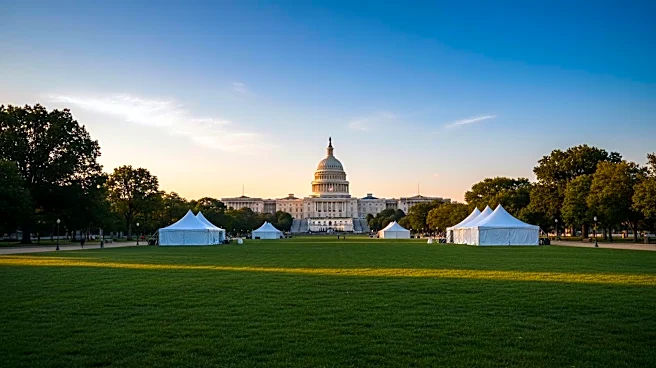
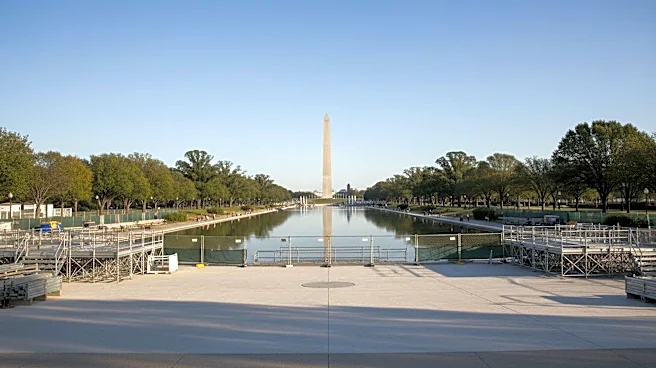
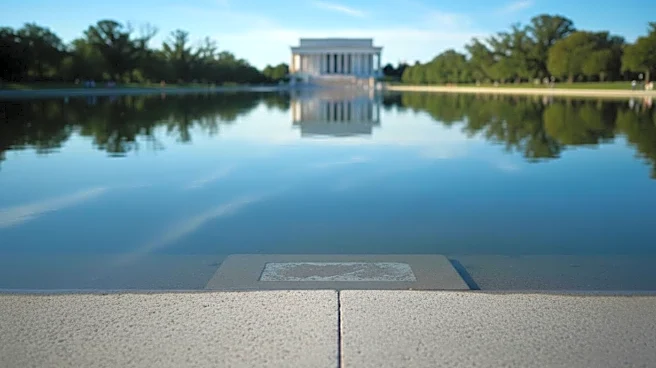
changes in the capital. Since taking office in January 2025, Trump has overseen the construction of a new White House ballroom, a Triumphal Arch, and a revamped Lincoln Memorial Reflecting Pool. Additionally, he has removed homeless encampments, increased federal policing, and deployed National Guard troops. These projects, which reflect Trump's real estate background, have been met with mixed reactions. Concerns have arisen regarding the financial burden on taxpayers, with estimates suggesting the total cost could exceed $1 billion, including $800 million for the East Wing ballroom alone.
Why It's Important?
The makeover of Washington, D.C. under President Trump highlights significant issues related to urban development, public spending, and governance. The financial implications are substantial, with potential taxpayer burdens raising questions about fiscal responsibility and transparency. The use of public funds for what some view as vanity projects has sparked debate over priorities in federal spending. Moreover, the aesthetic changes to national landmarks and the increased security measures reflect broader themes of federal authority and urban policy. This development could influence future discussions on the role of federal intervention in city planning and the balance between public interest and executive vision.
What's Next?
As the makeover progresses, scrutiny from lawmakers and the public is likely to intensify. Representative Ro Khanna and others have called for oversight to ensure proper management of funds and transparency in contract awards. The administration may face pressure to justify the expenditures and address concerns about the impact on local communities. Additionally, the aesthetic and functional changes to the city could prompt further debate about the preservation of historical sites versus modernization efforts. The outcome of these discussions could shape future urban policy and federal-city relations.