








What's Happening?
After a successful hunt in South Africa, U.S. hunters cannot immediately bring their trophies home. The process involves several stages, starting with the correct identification and preparation of the trophy. It then moves to a professional taxidermy
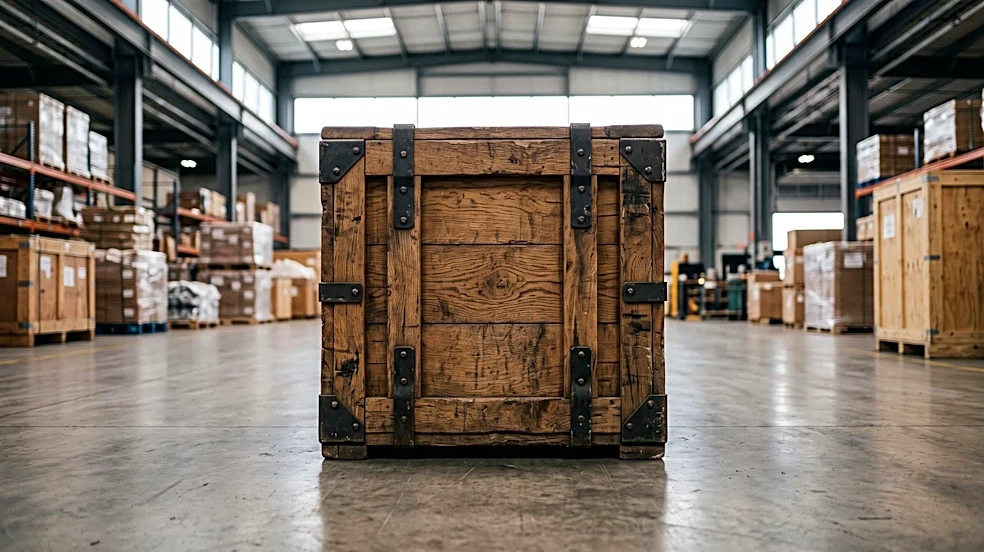
or dip-and-pack facility for further processing, documentation, permits, crating, and international shipping. This journey involves multiple parties, including the Professional Hunter, outfitter, trophy preparation team, taxidermist, authorities, freight agent, and a customs or wildlife broker in the U.S. The initial field preparation is crucial, as factors like heat, contamination, and incorrect skinning can affect the trophy's final condition. Hunters must decide between having the trophy fully mounted in South Africa or opting for 'dip and pack,' where it is prepared for export and then taxidermied in the U.S. This decision impacts processing time, crate requirements, and shipping arrangements. The entire process is complex, with varying requirements based on species, destination, and changing wildlife trade regulations.
Why It's Important?
The intricate process for importing hunting trophies into the U.S. highlights the significant regulatory hurdles and logistical challenges faced by American hunters. This impacts not only individual hunters but also the broader hunting tourism industry, particularly those operating in South Africa. The need for specialized facilities, extensive documentation, and adherence to evolving wildlife trade laws, such as CITES (Convention on International Trade in Endangered Species of Wild Fauna and Flora), adds considerable cost and time to the post-hunt experience. For U.S. hunters, understanding these regulations is critical to avoid legal complications and ensure their trophies are successfully imported. The varying requirements for different species and the potential for rules to change mean that hunters must stay informed, often relying on professional brokers and freight agents to navigate the complex import landscape. This also underscores the U.S. Fish & Wildlife Service's role in regulating wildlife imports, emphasizing conservation efforts and preventing illegal trade.
What's Next?
U.S. hunters planning safaris in South Africa must proactively confirm current import requirements for their specific trophy species before hunting and again before shipment. This involves consulting with their chosen taxidermist or dip-and-pack facility, freight agents, and U.S. wildlife authorities. They should also factor in the additional costs for taxidermy, permits, crating, and international freight, as these are separate from safari fees. The turnaround time for trophy delivery can be extensive, ranging from several months to over a year, depending on the complexity of the taxidermy, permit processing, and shipping logistics. Hunters should maintain clear communication with all parties involved in the trophy's journey to track its progress and address any potential issues. Continuous monitoring of U.S. wildlife import regulations is essential, as rules can change, potentially affecting the eligibility or requirements for specific species.
Beyond the Headlines
The detailed process of trophy importation reflects a broader tension between recreational hunting and wildlife conservation. While hunting tourism can contribute to conservation efforts in some regions, the strict regulations on trophy imports in countries like the U.S. aim to prevent illegal wildlife trade and protect endangered species. The complexity of these rules also highlights the global interconnectedness of wildlife management and trade policies. For hunters, the trophy represents more than just an object; it embodies the memory and experience of the safari. The extensive post-hunt process, therefore, becomes an integral part of preserving that memory, requiring patience and adherence to a system designed to balance personal pursuits with international conservation mandates. The evolving nature of these regulations also points to ongoing debates and policy shifts regarding wildlife protection and the ethics of trophy hunting.