



What's Happening?
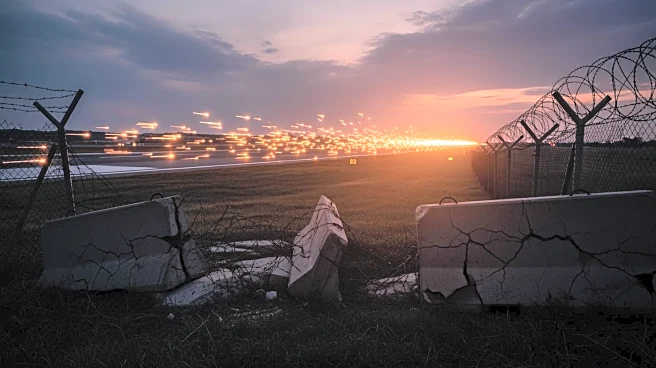
The United States has added Niger to its Level 4 travel advisory list, marking it as a country with extreme safety risks. This decision follows a series of terrorist attacks, including a significant incident at Diori Hamani International Airport in Niamey
involving Islamic State-affiliated groups. The advisory warns of terrorism, kidnapping, violent crime, and civil unrest, highlighting the inability of U.S. authorities to provide routine or emergency consular services outside the capital, Niamey. A state of emergency and movement restrictions are in place across large parts of Niger. The U.S. travel advisory system ranges from Level 1, advising normal precautions, to Level 4, urging citizens not to travel due to severe security threats. Under the new advisory, foreigners must travel with military escorts outside the capital, and U.S. government employees are required to use armored vehicles, adhere to strict curfews, and avoid public places like restaurants and markets.
Why It's Important?
The inclusion of Niger in the Level 4 travel advisory underscores the growing security challenges in the Sahel region, which have significant implications for U.S. foreign policy and international relations. The advisory affects not only travel but also impacts tourism, foreign investment, and diplomatic engagement. The heightened alert reflects broader instability in the region, where jihadist groups exploit weak state control and porous borders. This situation complicates international security cooperation and strains relations with Western partners. The advisory also highlights the structural insecurity in parts of Africa, influencing global perceptions of risk and potentially leading to reduced international presence and support in these regions.
What's Next?
The U.S. government is likely to continue monitoring the security situation in Niger and the broader Sahel region closely. Future actions may include adjustments to diplomatic and military strategies to address the growing threats posed by terrorist groups. The advisory may prompt other countries to reassess their travel and security policies regarding Niger and similar regions. Additionally, the U.S. may engage in diplomatic efforts to strengthen regional security cooperation and support initiatives aimed at stabilizing the affected areas. The situation may also lead to increased humanitarian assistance to address the needs of vulnerable populations impacted by the ongoing conflicts.