
What's Happening?
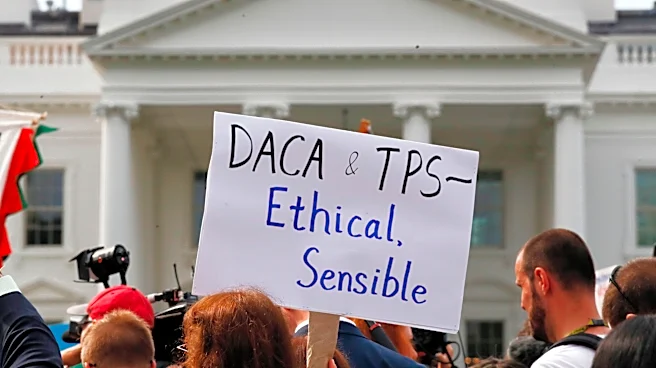
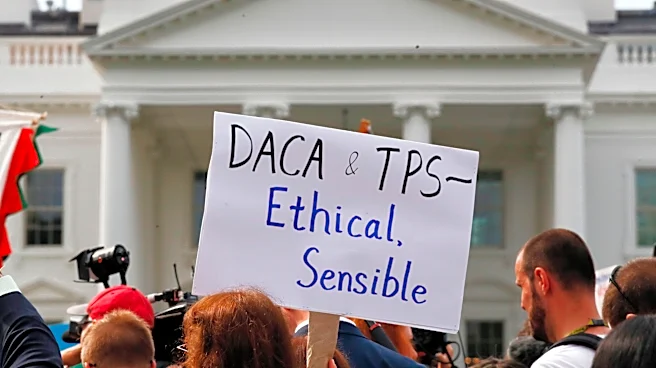
The U.S. Supreme Court is currently deliberating on the legality of the Trump administration's decision to terminate Temporary Protected Status (TPS) for over 300,000 Haitians and 6,000 Syrians. TPS allows
immigrants from countries deemed unsafe to remain and work in the U.S. The case has significant implications for the caregiving industry, as many TPS holders work in long-term care facilities. Senior citizens, like Rita Siebenaler, have voiced concerns about the potential loss of caregivers, emphasizing the critical role these workers play in supporting America's aging population.
Why It's Important?
The outcome of this case could have far-reaching effects on the U.S. caregiving industry, which is already facing a shortage of workers. TPS holders are a vital part of the workforce, particularly in long-term care facilities that serve the elderly. The potential loss of these workers could exacerbate existing challenges in providing adequate care for seniors. This case also highlights broader immigration policy debates and the balance between humanitarian considerations and legal frameworks. The decision will impact not only the individuals directly affected but also the families and communities that rely on their services.
What's Next?
The Supreme Court's decision will determine whether the Trump administration's termination of TPS was lawful. If the court rules against the administration, TPS holders may retain their status, allowing them to continue working in the U.S. A ruling in favor of the administration could lead to further legal challenges and legislative efforts to protect TPS holders. The case has drawn attention from lawmakers and advocacy groups, who may push for policy changes to address the needs of both immigrants and the caregiving industry.