



What's Happening?
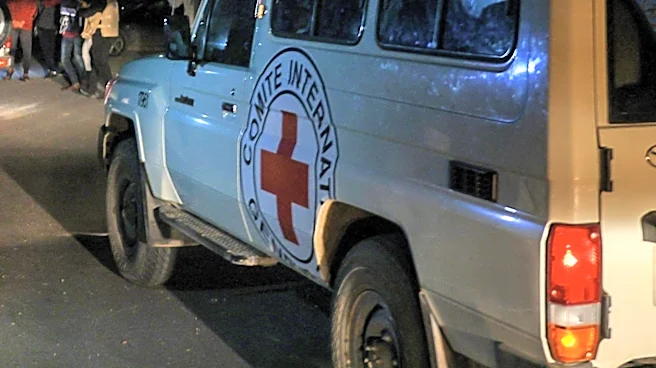
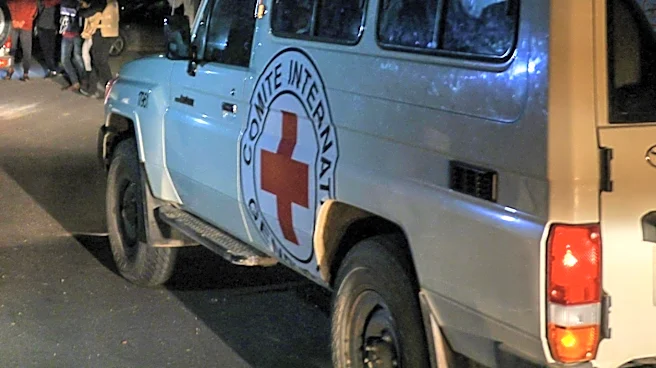
The International Committee of the Red Cross (ICRC), in partnership with the Somali Red Crescent Society (SRCS), is actively preparing for imminent El Niño-induced floods in Somalia. Climate experts predict a record El Niño event between October and December,
which could intensify the Deyr seasonal rains and lead to severe flooding, particularly along the Shabelle and Juba rivers. The ICRC is distributing sandbags, prepositioning essential supplies such as tarpaulins, mosquito nets, and hygiene items in flood-prone areas, and stocking supported health facilities with medical and nutrition supplies to ensure continued operation. Additionally, SRCS volunteers in Kismayo, Bardere, Jowhar, and Beletweyne have received boat training to enhance their response capabilities during flood emergencies. This proactive approach comes despite a significant decrease in humanitarian funding and capacity since a similar devastating phenomenon in 2023, which affected nearly two million people and displaced over 500,000.
Why It's Important?
The impending floods in Somalia pose a significant humanitarian crisis, threatening millions of people with further hardship and hunger. The proactive measures by the ICRC and SRCS are crucial for mitigating the immediate impact on vulnerable communities, especially the 3.3 million people living in informal displacement settlements who face devastating conditions due to limited access to clean water and proper sanitation. The decrease in humanitarian funding highlights a broader challenge in international aid, where the capacity to respond to escalating climate-induced disasters is diminishing. This situation underscores the critical need for sustained international support and robust funding mechanisms to address humanitarian crises effectively. The efforts to prepare for these floods also serve as a case study in anticipatory action, demonstrating how early intervention can save lives and reduce suffering, even in the face of resource constraints.
What's Next?
As the El Niño event is expected to intensify between October and December, the immediate focus will be on the effectiveness of the prepositioned supplies and trained volunteers in responding to the anticipated severe flooding. The ICRC and SRCS will continue to monitor weather patterns and adjust their response efforts as needed. The long-term implications include the potential for deepened hunger levels across Somalia, as farmers face the risk of losing crops to floodwaters, impacting food security for months. There will likely be continued calls from humanitarian organizations for increased international funding and support to address both the immediate and prolonged consequences of the floods, as well as to build resilience against future climate-related disasters. The experience gained from this event will also inform future disaster preparedness strategies in the region.
Beyond the Headlines
The situation in Somalia transcends immediate flood response, revealing deeper issues of climate vulnerability, food insecurity, and the strain on global humanitarian aid. The recurring nature of such climate phenomena, exacerbated by climate change, means that communities like those along the Shabelle and Juba rivers are caught in a cycle of displacement and loss. The significant reduction in humanitarian funding since 2023 points to a concerning trend where the global community's capacity to address crises is not keeping pace with their increasing frequency and intensity. This raises ethical questions about global responsibility and equitable resource distribution, particularly for nations disproportionately affected by climate change despite contributing minimally to its causes. The resilience of local communities and the dedication of organizations like the ICRC and SRCS, despite dwindling resources, highlight the enduring human spirit in the face of adversity, while also underscoring the urgent need for systemic changes in international humanitarian financing and climate adaptation strategies.