





What's Happening?
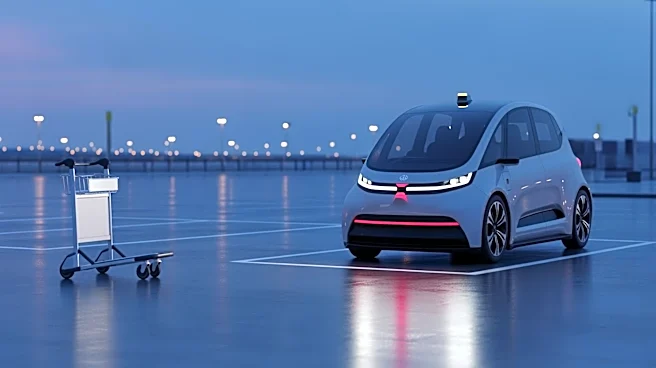
A Bay Area businessman, Di Jin, experienced a significant inconvenience when a driverless Waymo vehicle left him at San Jose Mineta International Airport without his luggage. Jin's trip from Sunnyvale to the airport was uneventful until he attempted to retrieve
his suitcase from the trunk. Despite pressing the trunk open button, the autonomous vehicle drove away with his belongings still inside. Jin immediately contacted Waymo's customer service, only to be informed that the vehicle was already en route back to its depot and could not return. This incident left Jin without clothes, work materials, or answers before his flight to San Diego. Waymo later confirmed that Jin's luggage was safely recovered at the depot, offering him two complimentary rides to retrieve it or the option to pay for shipping.
Why It's Important?
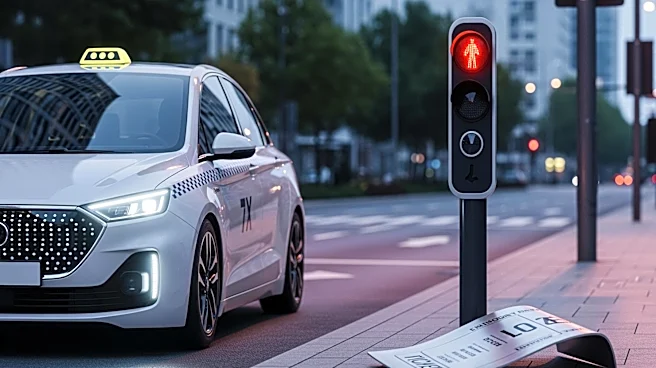
This incident underscores the challenges and growing pains associated with the integration of autonomous vehicles into everyday life. As self-driving technology becomes more prevalent, issues like these highlight the need for robust customer service and contingency plans to address unexpected situations. The event also coincides with recent legislative changes in California, allowing police officers to ticket autonomous taxis for moving violations. This regulatory development reflects the increasing need for accountability and safety measures as autonomous vehicles become more common. The situation with Jin illustrates potential gaps in service and customer satisfaction that companies like Waymo must address to maintain public trust and confidence in their technology.
What's Next?
Waymo and other companies in the autonomous vehicle industry may need to reassess their customer service protocols and operational procedures to prevent similar incidents. This could involve implementing more responsive support systems and ensuring that vehicles can be recalled or redirected in emergencies. Additionally, as legislation evolves, companies will need to adapt to new regulatory requirements, which may include more stringent safety and operational standards. Stakeholders, including consumers, regulatory bodies, and technology developers, will likely continue to monitor and influence the development of policies and practices surrounding autonomous vehicles.