





What's Happening?
The Mississippi Sound Coalition, alongside U.S. Representatives Mike Ezell and Trent Kelly, convened a roundtable to address the environmental threats facing the Mississippi Sound. The coalition highlighted the detrimental effects of the Bonnet Carré
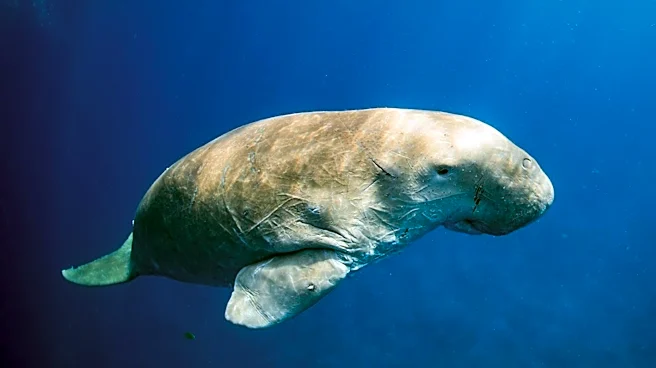
Spillway openings, which have led to significant ecological damage, including harmful algae blooms and dead zones. The Mississippi Sound, home to endangered marine species, is at risk of becoming a 'dead sea' without intervention. The coalition proposed the Northern Gulf Estuary Protection Act, which would mandate the U.S. Army Corps of Engineers to protect the ecosystem while managing flood control. The act also suggests modernizing spillway infrastructure to prevent future environmental disasters.
Why It's Important?
The Mississippi Sound is crucial for the region's biodiversity and economy, supporting both marine life and industries such as fishing and tourism. The ecological degradation poses a threat to these sectors, with potential long-term economic impacts. The proposed legislative action aims to balance environmental protection with necessary flood control measures, ensuring the sustainability of the Gulf Coast's natural resources. The involvement of federal representatives underscores the national significance of the issue, as it affects food security and transportation along the Mississippi River.
What's Next?
The coalition hopes the congressional subcommittee will recommend the introduction of the Northern Gulf Estuary Protection Act. If passed, this legislation could lead to significant changes in how the U.S. Army Corps of Engineers manages the spillways, potentially preventing further ecological damage. The proposal also calls for a trust fund to finance infrastructure updates, with contributions from states along the Mississippi River. The success of these initiatives will depend on continued advocacy and collaboration between local stakeholders and federal lawmakers.